


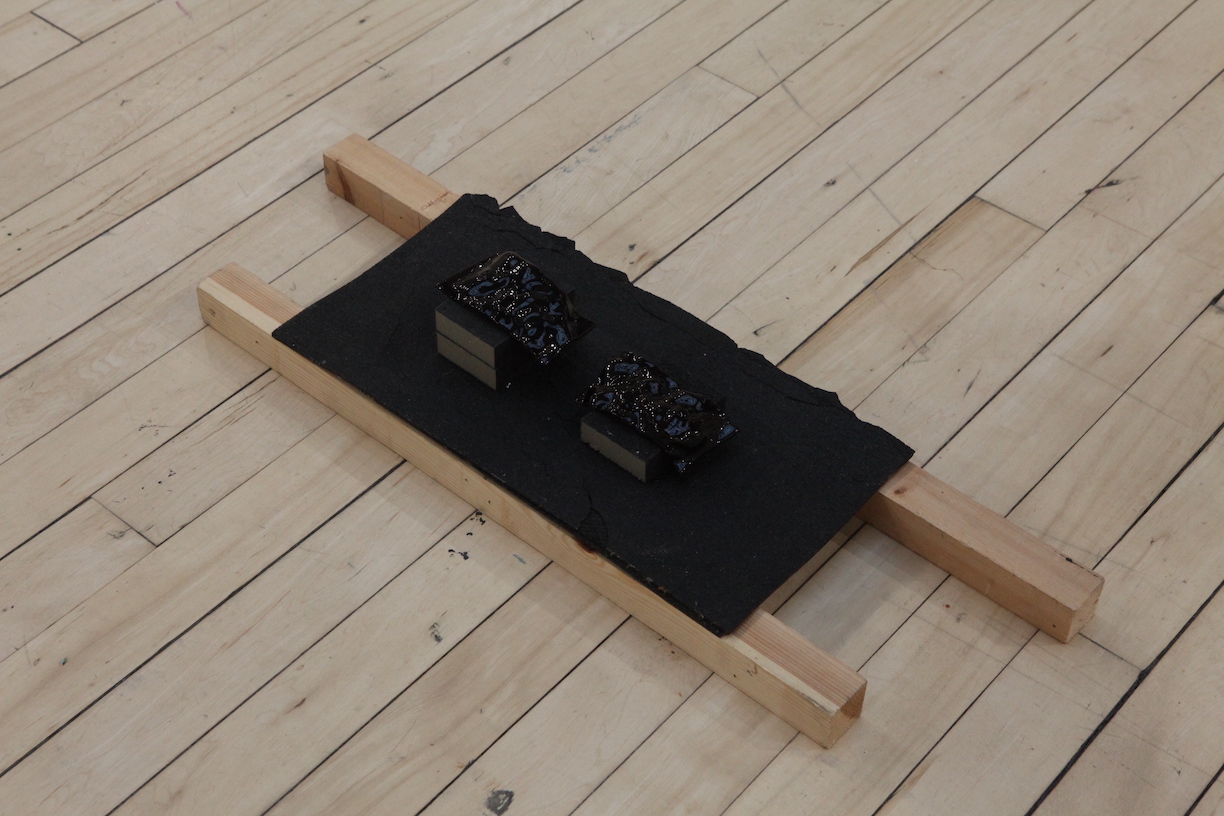
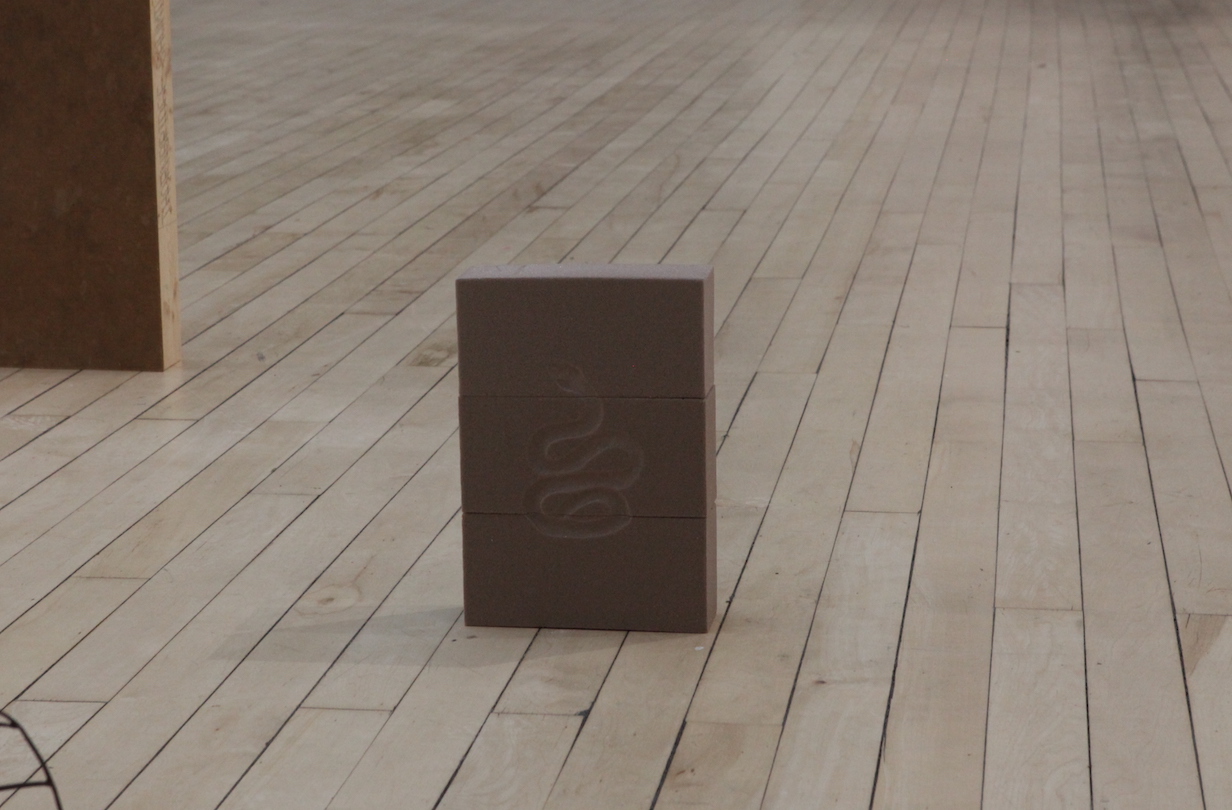
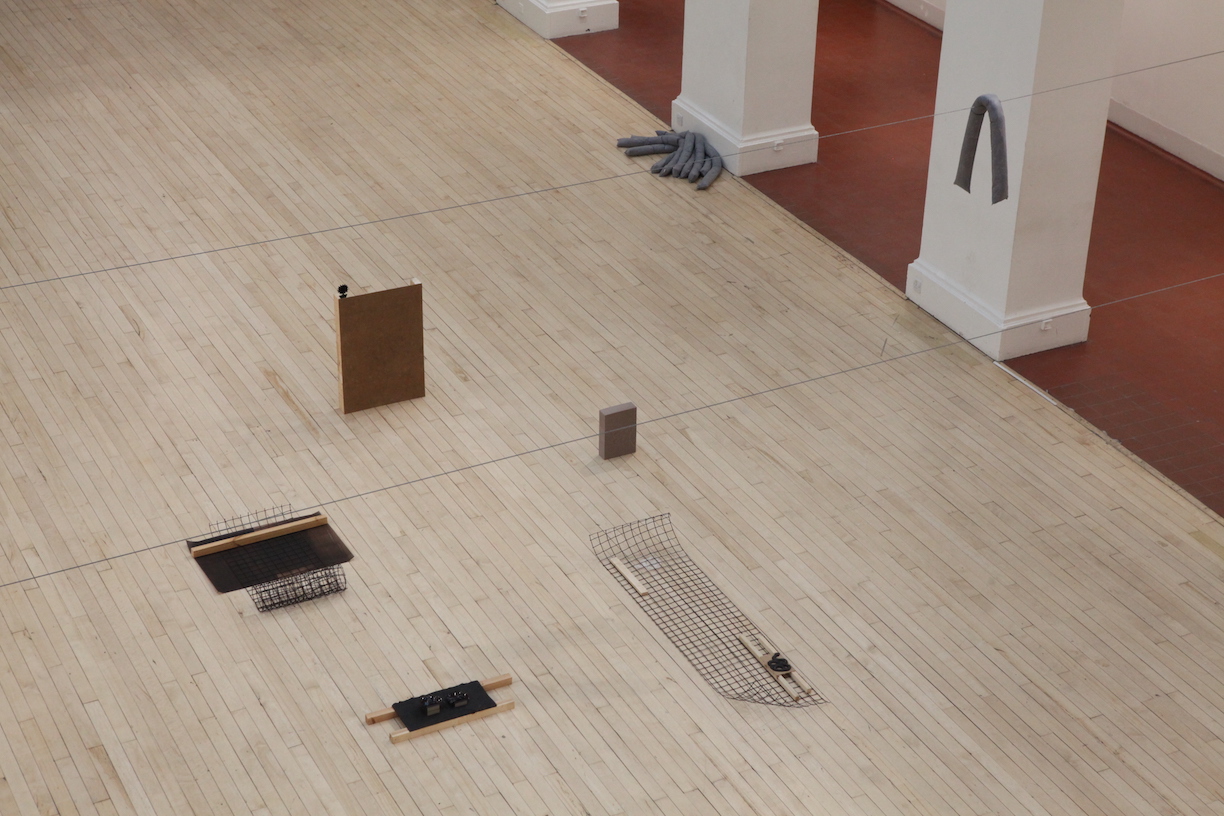
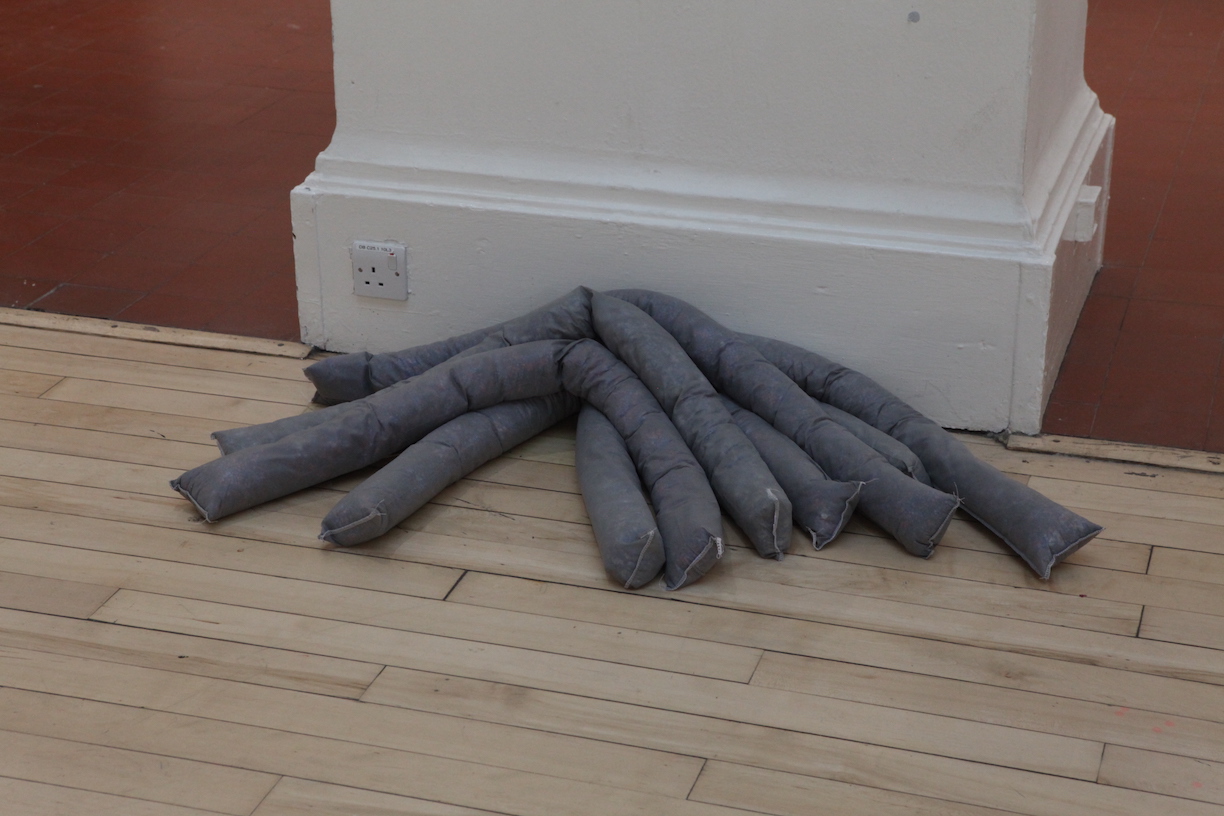
a plume that continues to spread (2025)
16-page publication
16-page publication
Dawson International, the umbrella company of Pringle Knitwear, entered administration in 2012. The shares are suspended, it faces insolvency, there is a large deficit in its pension scheme. In the Pringle Knitwear factory in the Tweedside Trading Estate in Tweedmouth, sitting on the other side of the River Tweed estuary to Berwick upon Tweed, a synthetic chemical degreaser was used, tetrachloroethylene, to clean the wool before production. A number of spillages of this substance occurred, penetrating the ground and entering the fell sandstone aquifer under the area. Since 1992, when the company was prosecuted, a pumping system was installed to treat the contaminated site with instructions for remediation to occur indefinitely, without end (Lord Clark, 2018, p.2-3). The case has been used as an example of distinctions between Scottish and English law (with Dawsons International being a Scottish company and the site of contamination lying just over the border in England) and of the varying obligations of polluting companies in insolvency. Who pays when the company has reached its end? Who is managing the remediation, the ongoing maintenance, of a contamination that has no end?
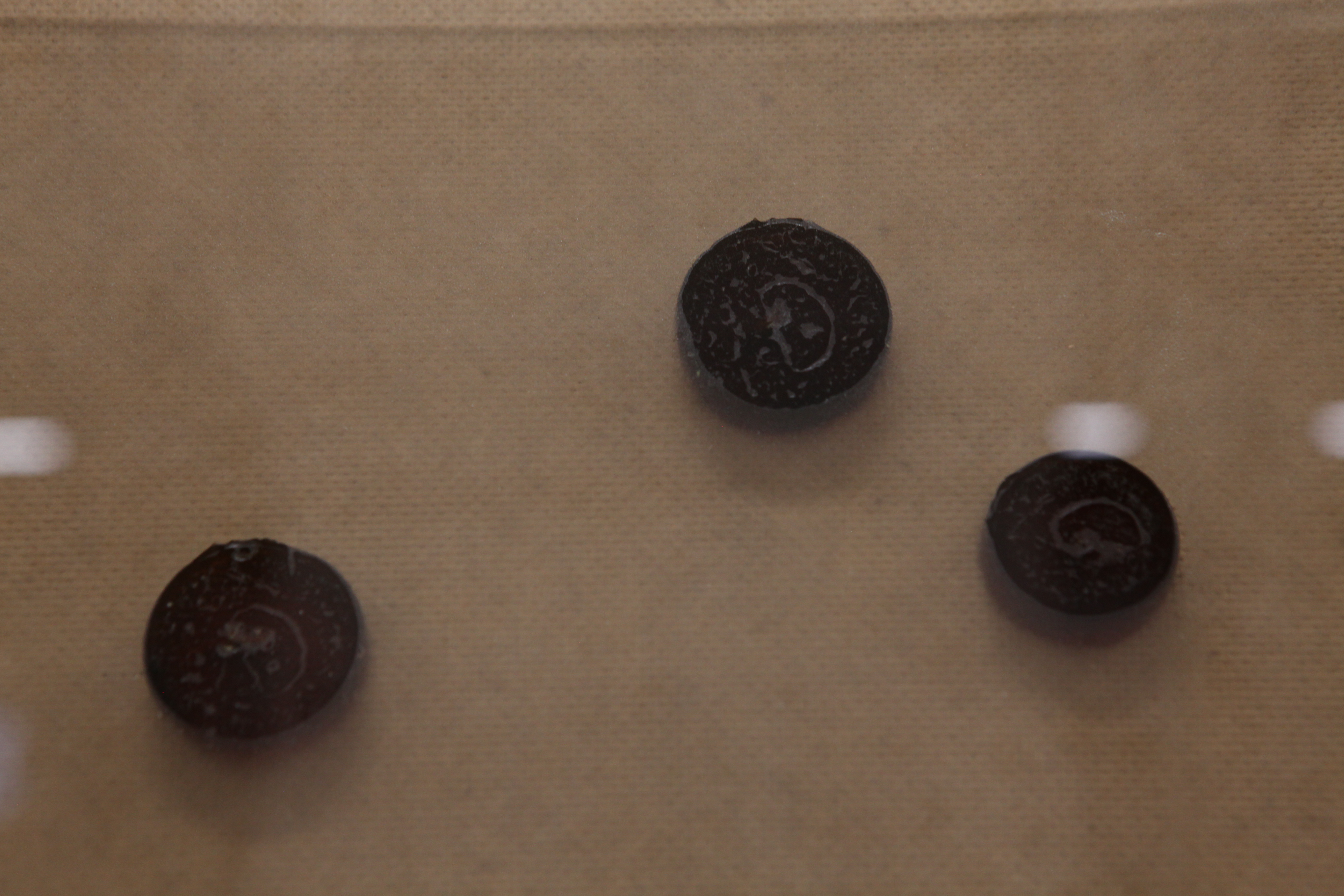
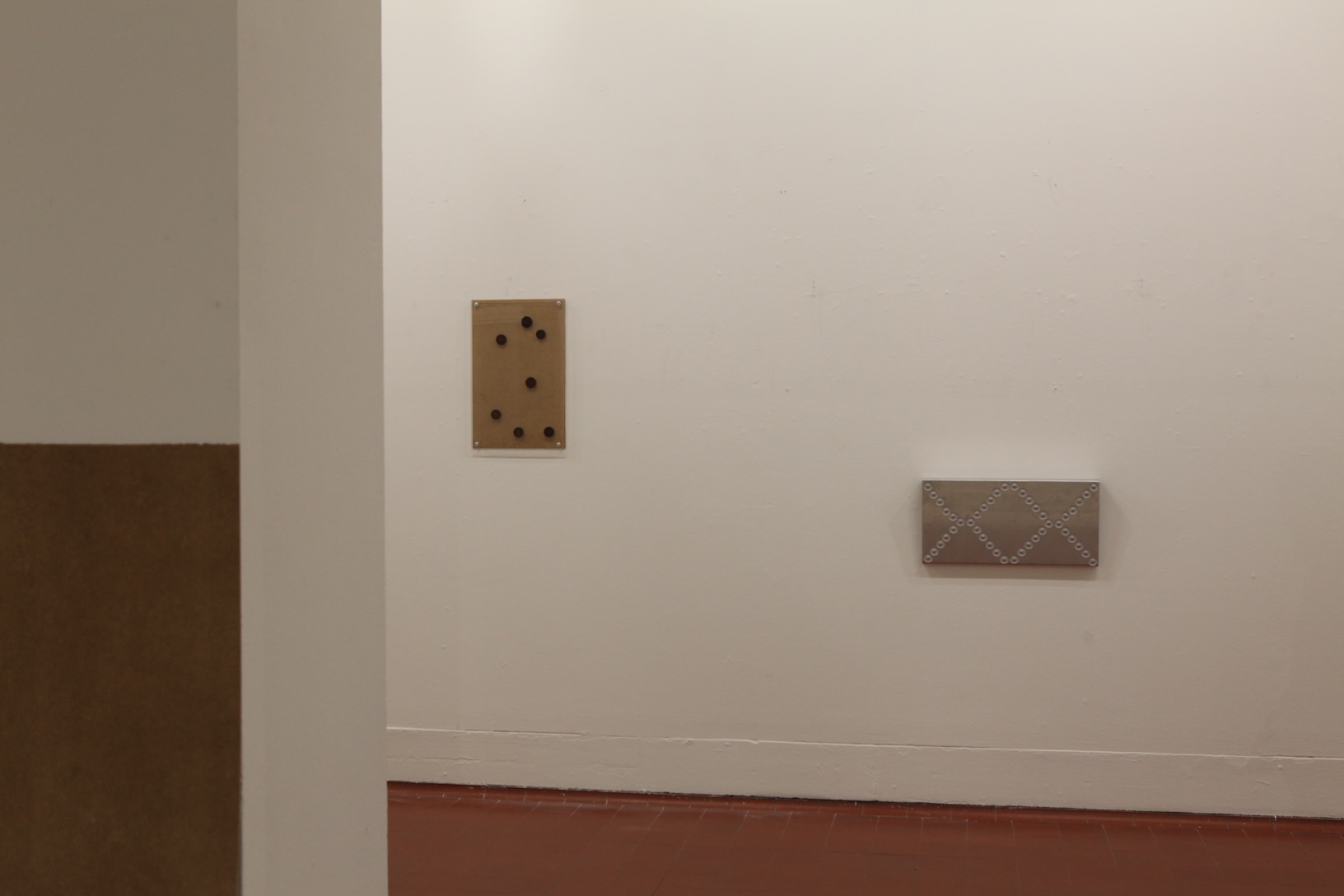
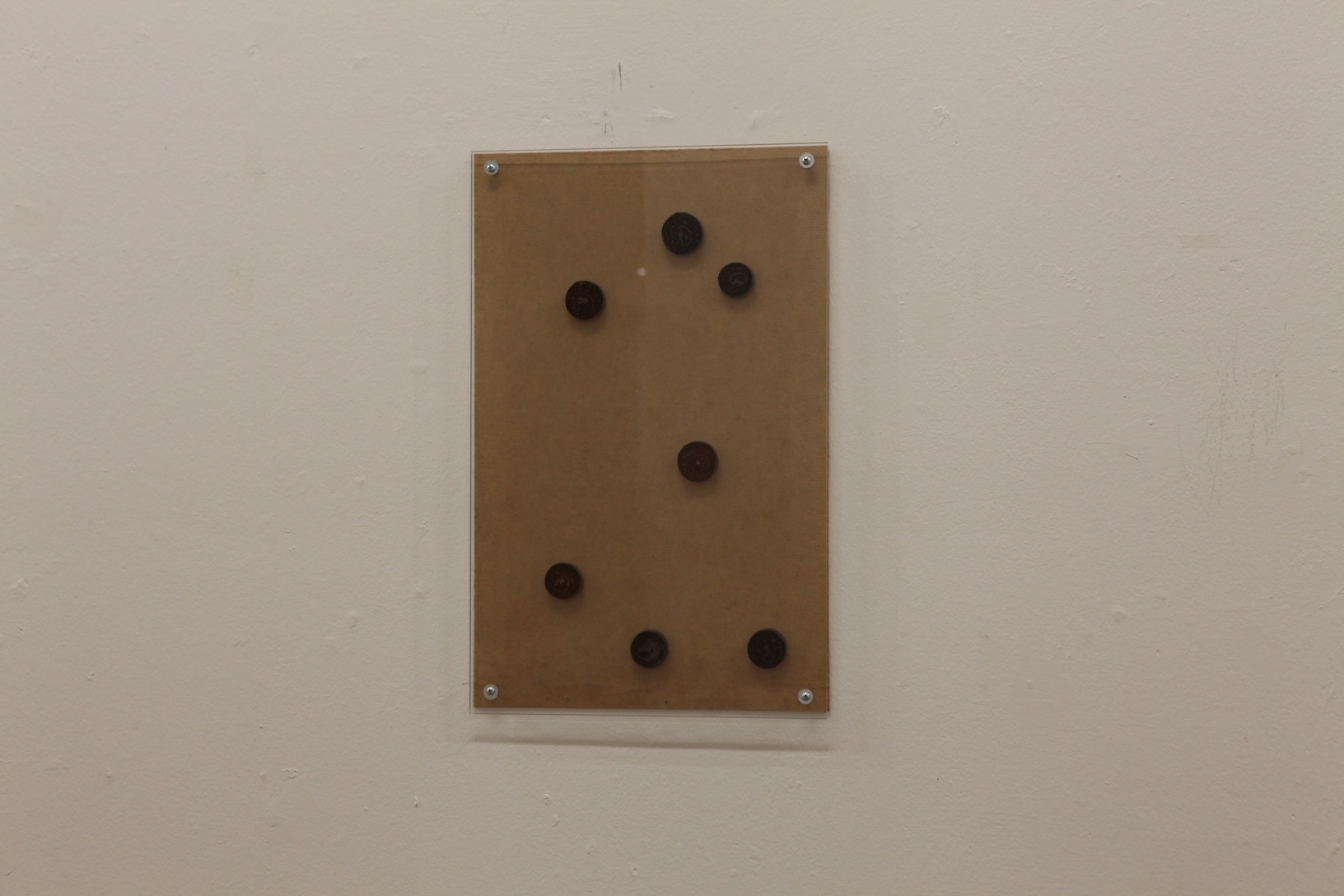
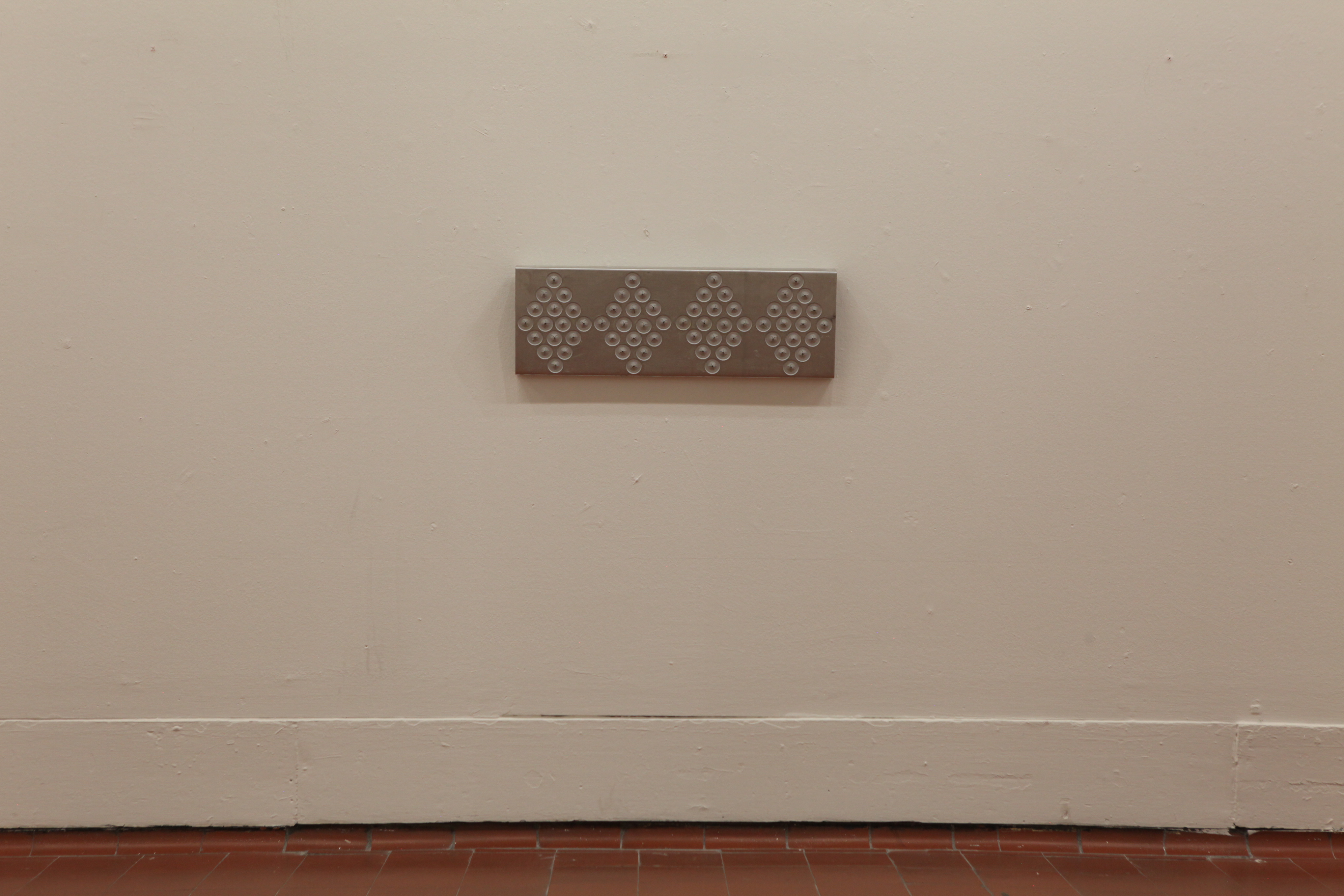
smeared onto another (2024)
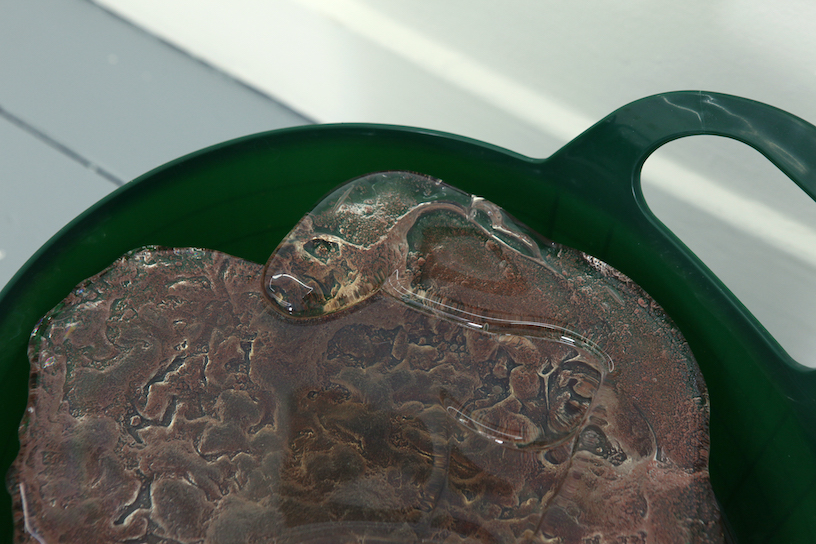
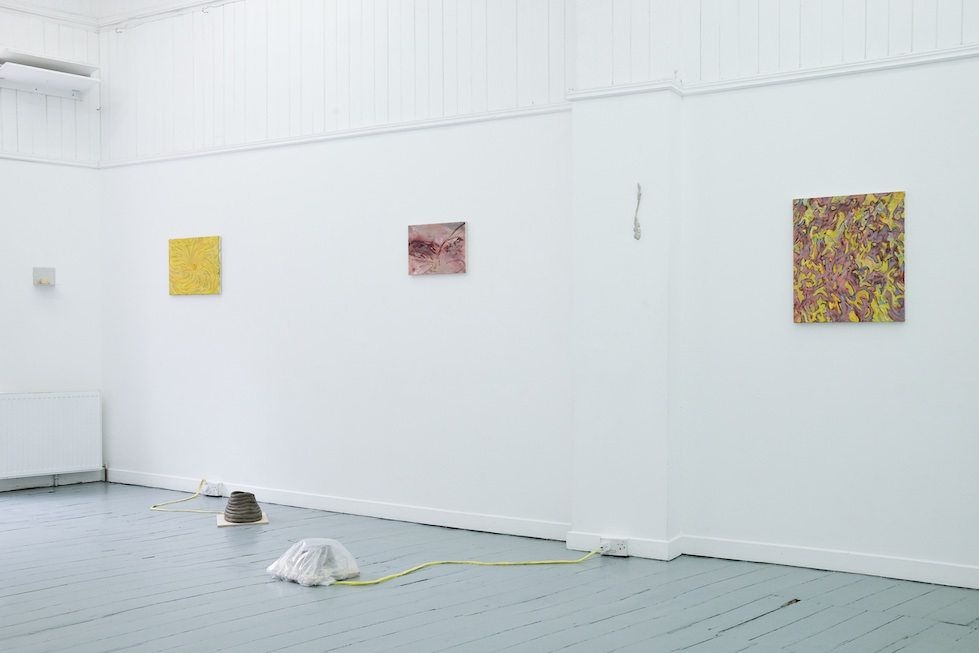
Folded aluminium, galvanised steel disks held in place by lanolin / Drilled glass sheet, screws with washers, lanolin, gelatine bioplastic / Picture frame backing board, glass sheet, lanolin, gelatine bioplastic / Folded and welded aluminium tray, crinoid fossil / Glass sheets, woollen jumper collar / Glass sheet, galvanised steel disks, lanolin.
Folded aluminium, galvanised steel disks held in place by lanolin / Drilled glass sheet, screws with washers, lanolin, gelatine bioplastic / Picture frame backing board, glass sheet, lanolin, gelatine bioplastic / Folded and welded aluminium tray, crinoid fossil / Glass sheets, woollen jumper collar / Glass sheet, galvanised steel disks, lanolin.

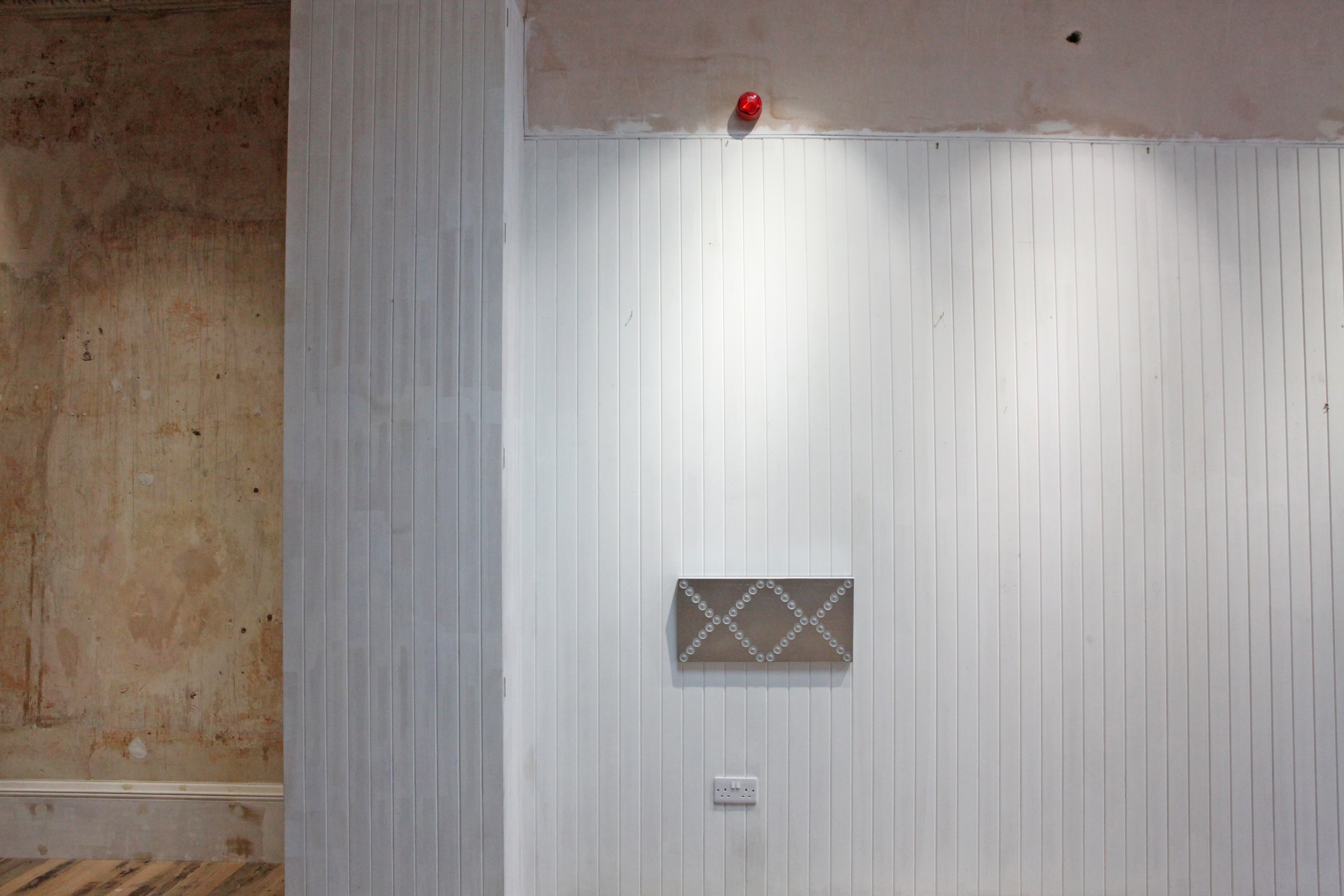
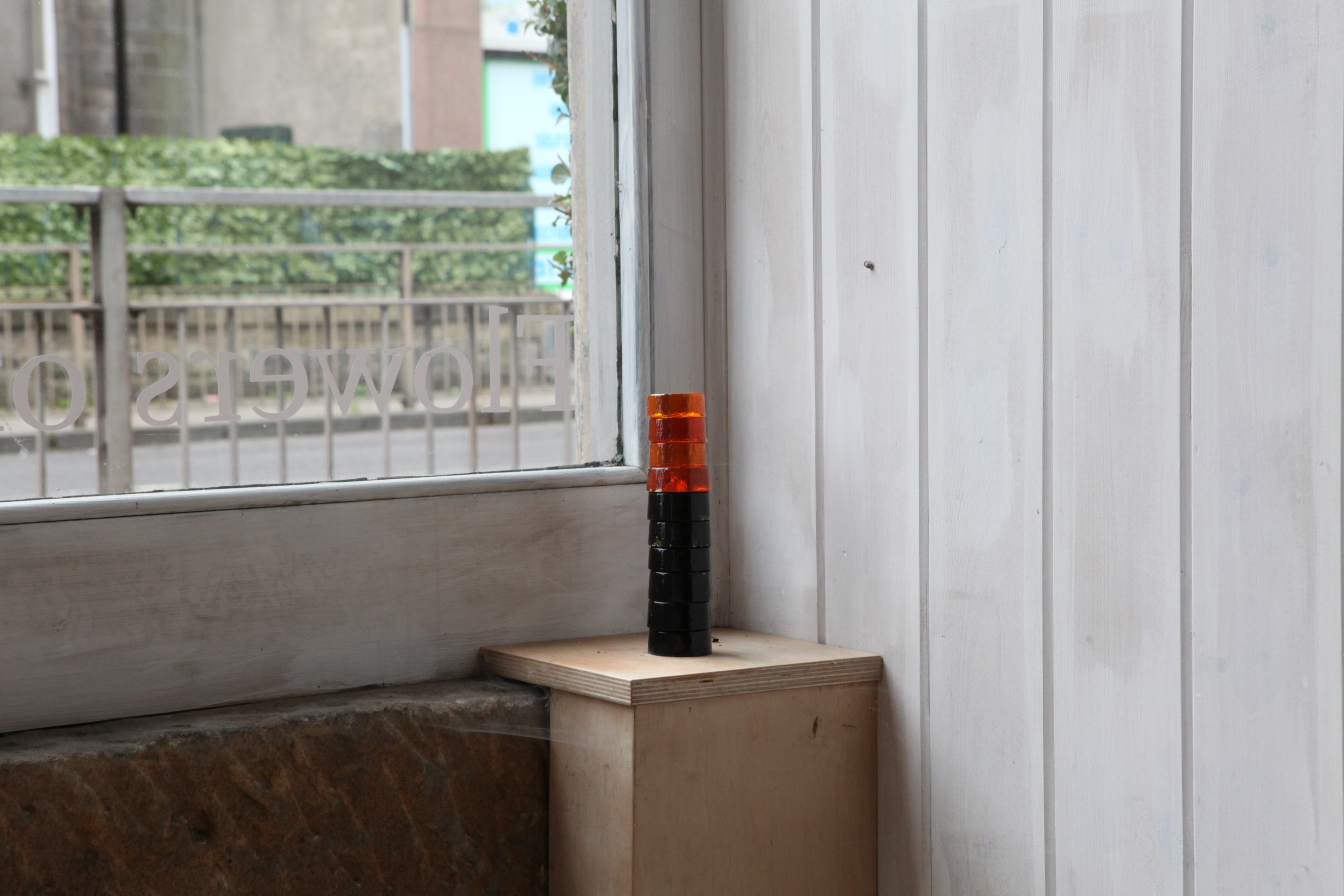
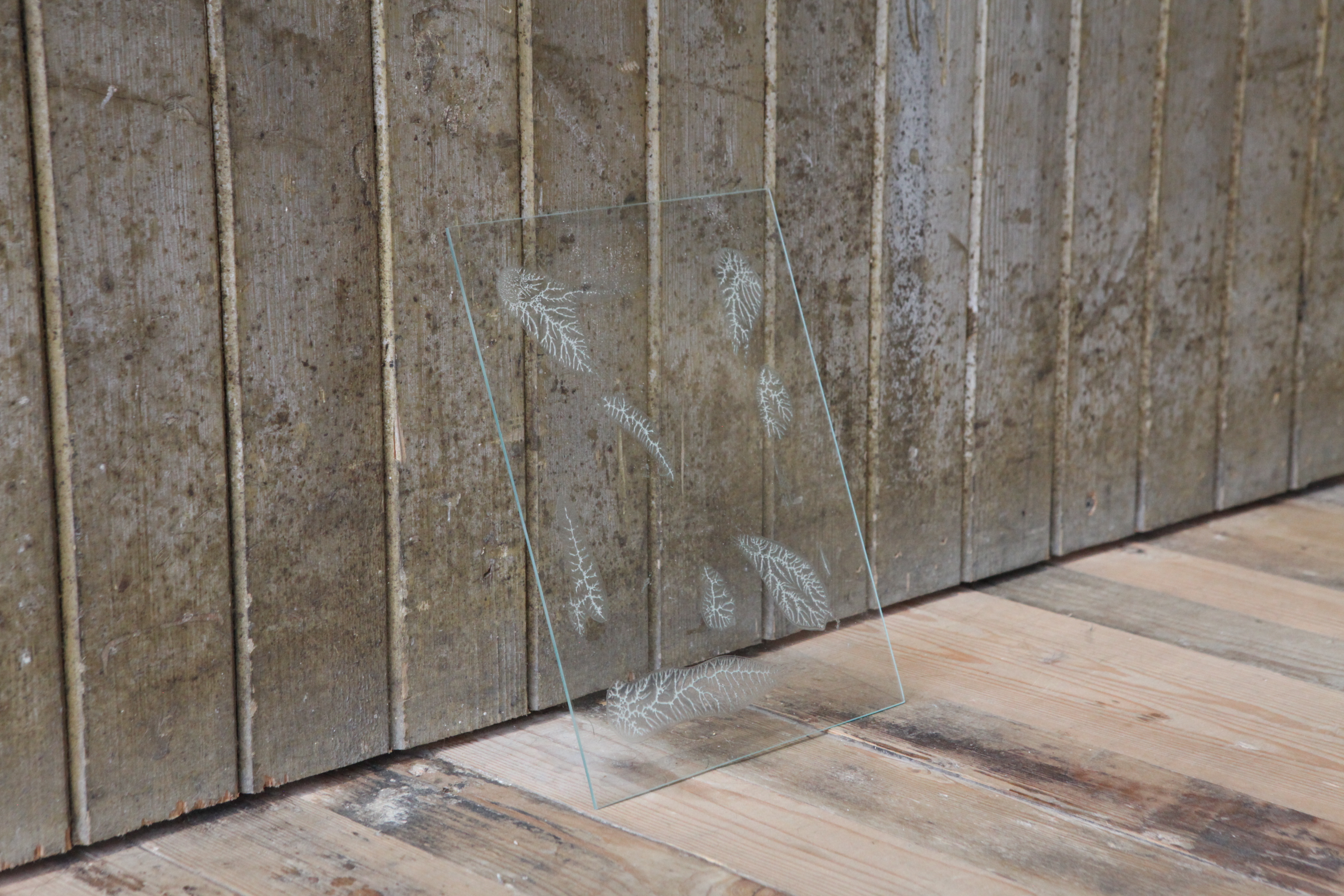
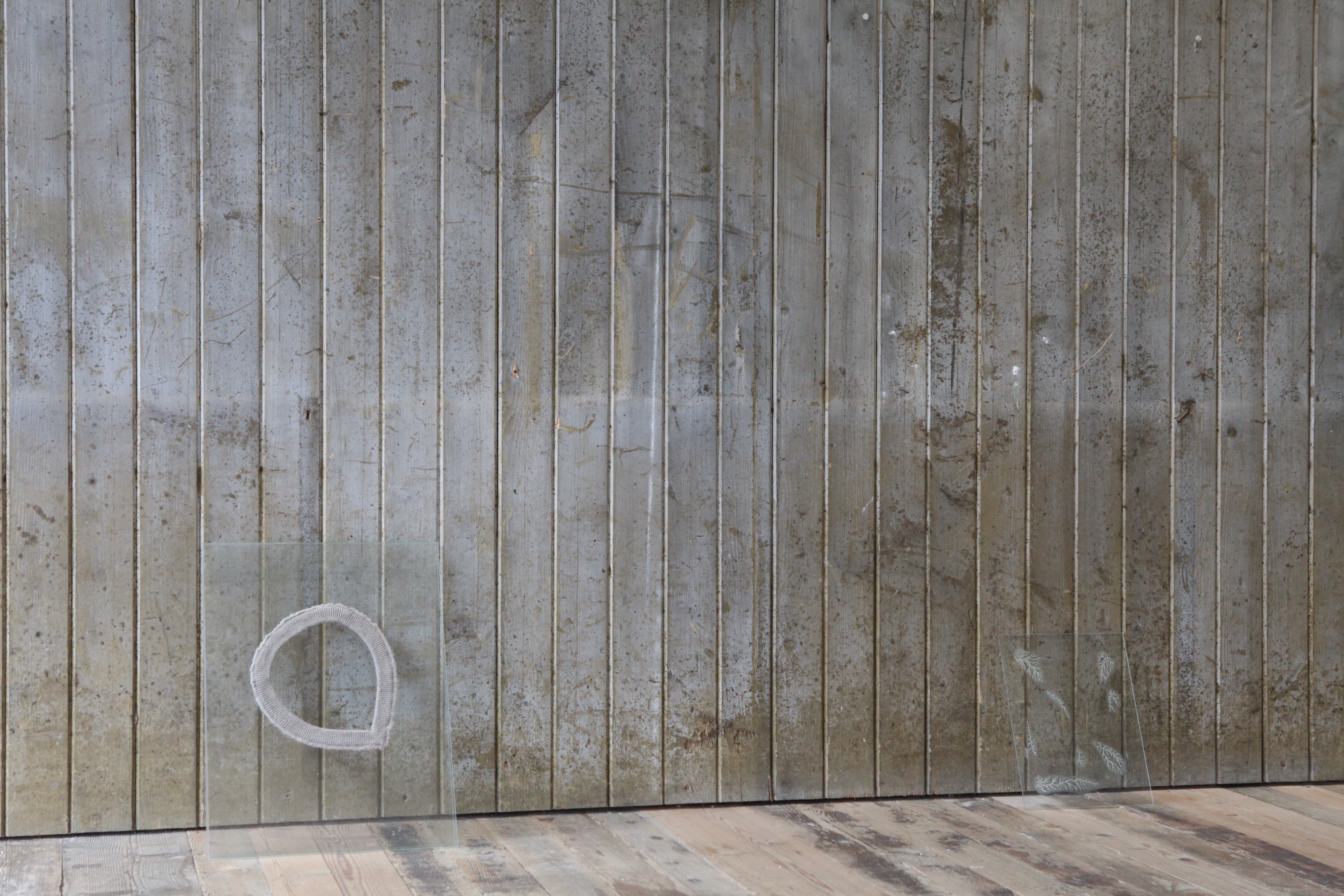
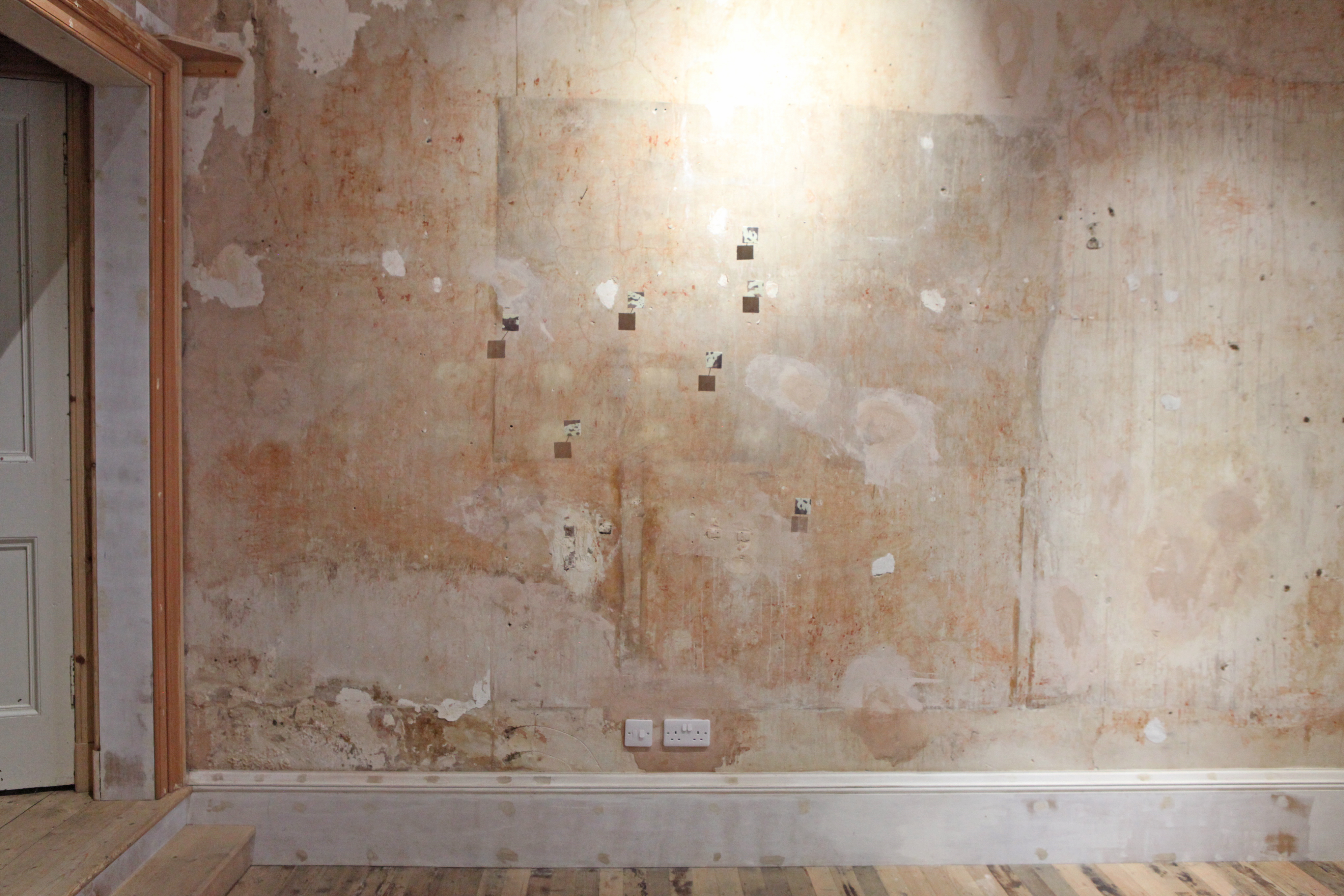
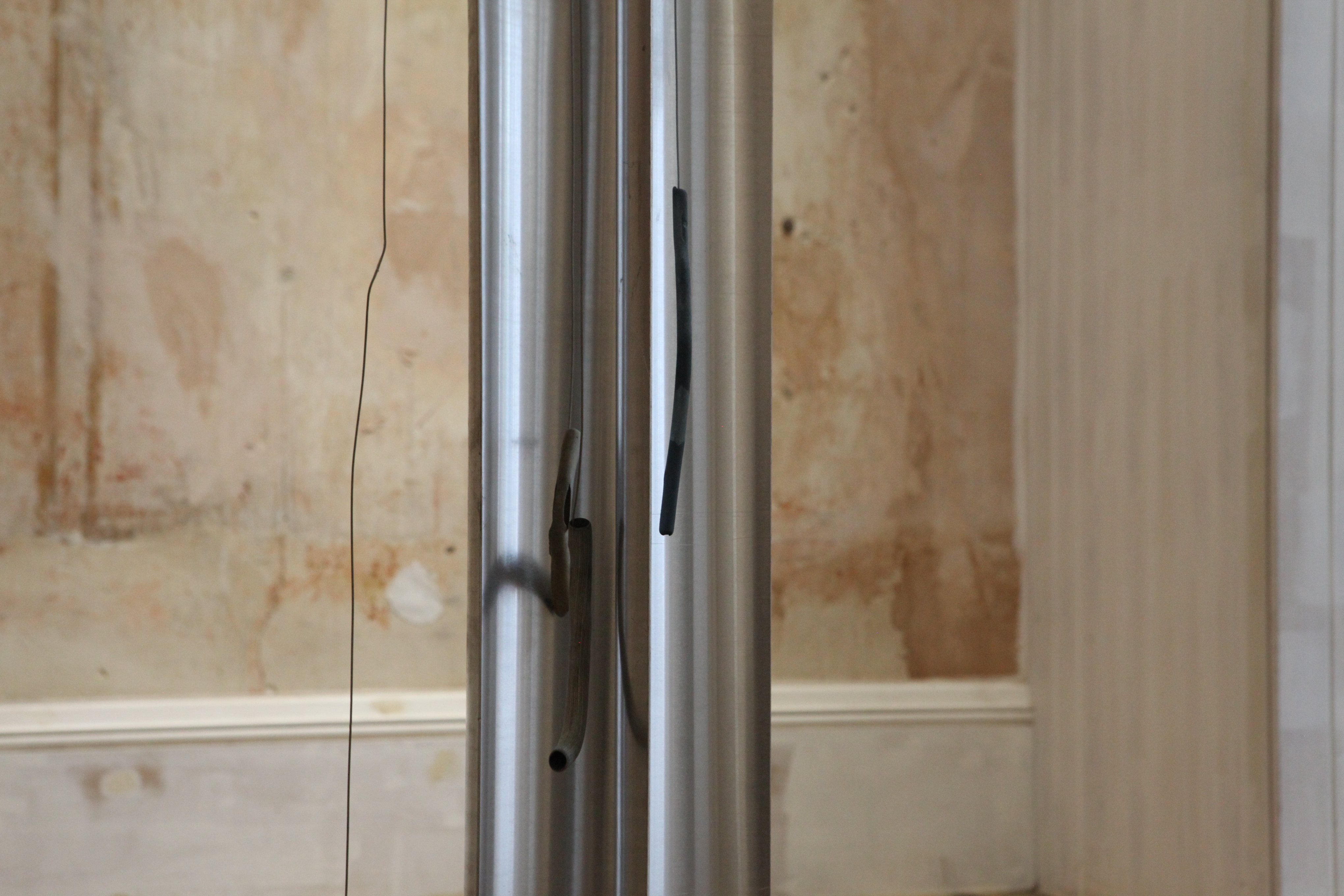
Mote102 Gallery Residency, September 2024.
Work produced as part of this week-long residency at Mote102 Gallery in Leith, Edinburgh came out of recent research on chemical residues in industrial wool and knitwear production, thinking through greasing, degreasing, coating, salving, and soothing.
Work produced as part of this week-long residency at Mote102 Gallery in Leith, Edinburgh came out of recent research on chemical residues in industrial wool and knitwear production, thinking through greasing, degreasing, coating, salving, and soothing.
scrapie, a disease of sheep marked by constant itch and scratching (Dictionaires of the Scots Language, c.1900)
The process involves mediators
Permanently parasitic on their host
Maybe half a millimetre across
You can barely see them
Releasing inflammatory exudates
Creating a moist environment
A host becomes itchy
Excerpts from interview with Neil Sargison, Professor of Farm Animal Practice, 2024.
The process involves mediators
Permanently parasitic on their host
Maybe half a millimetre across
You can barely see them
Releasing inflammatory exudates
Creating a moist environment
A host becomes itchy
Excerpts from interview with Neil Sargison, Professor of Farm Animal Practice, 2024.
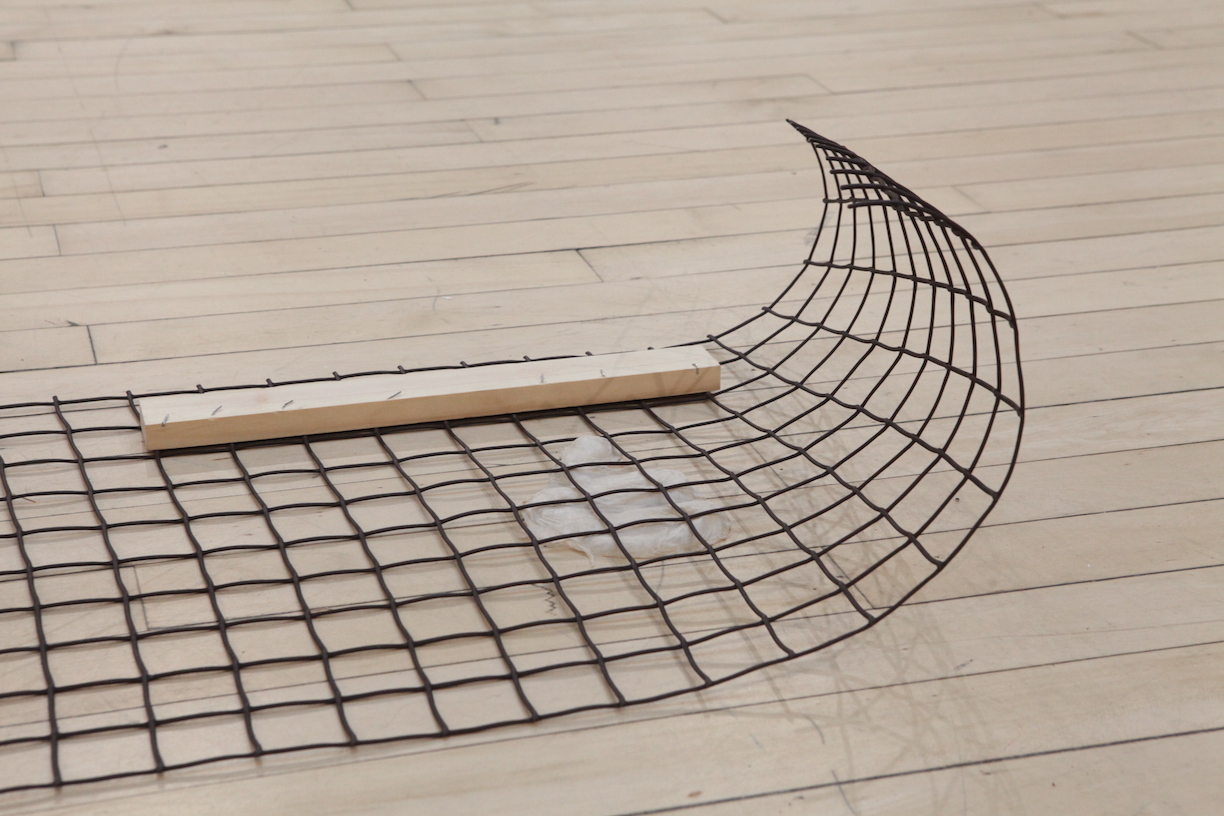
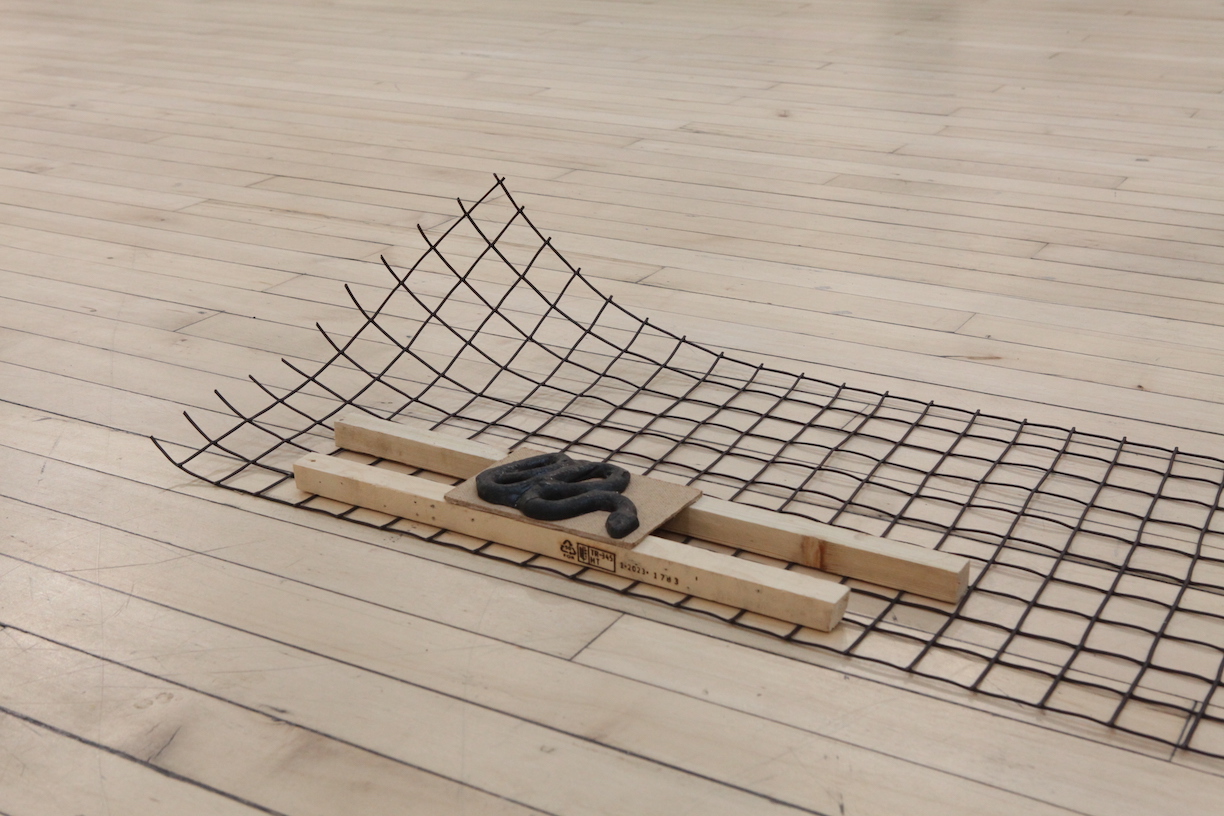

sliver (2023)
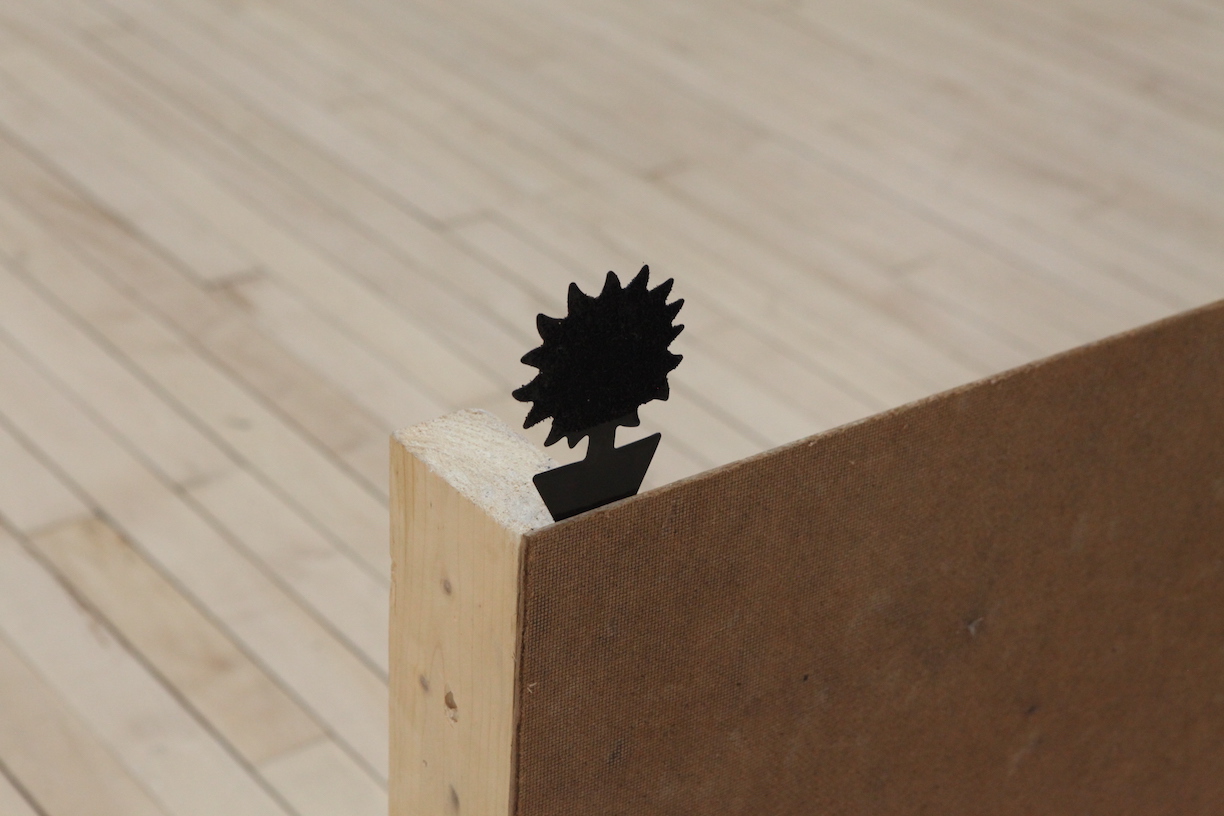
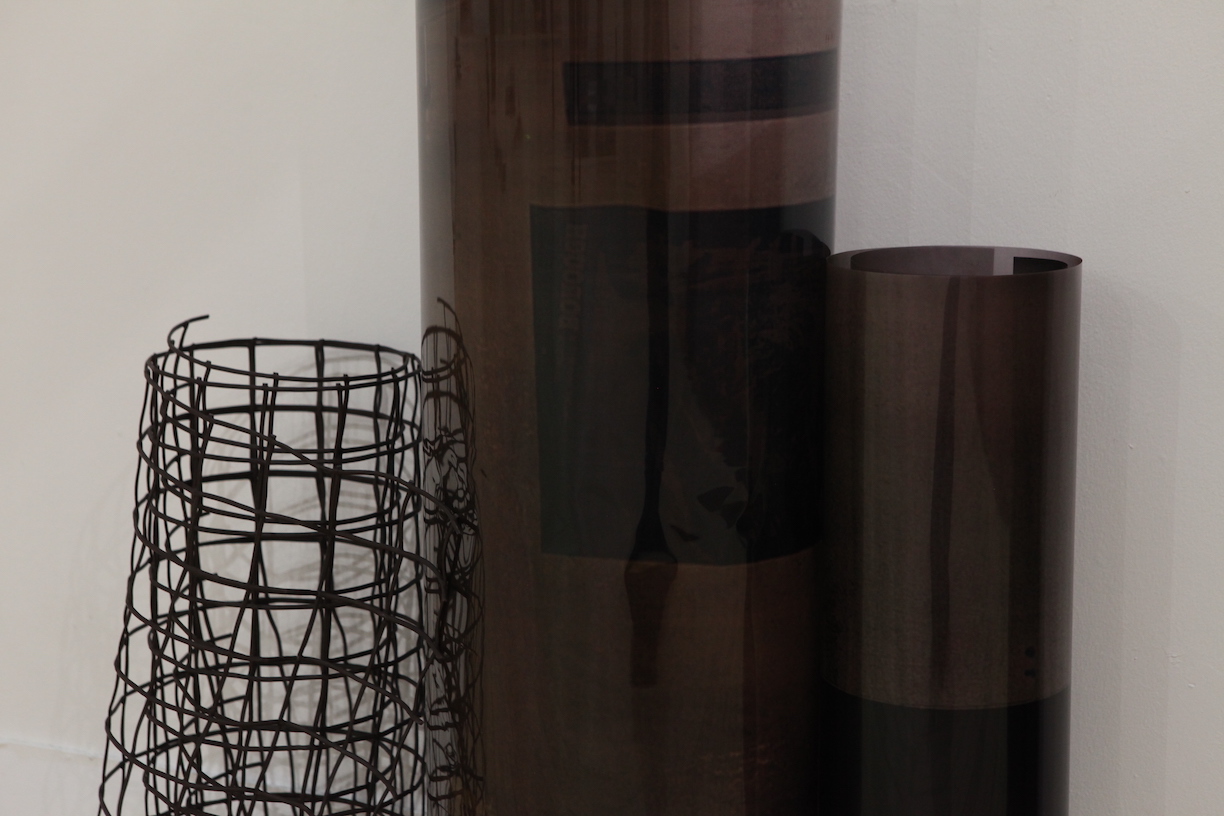
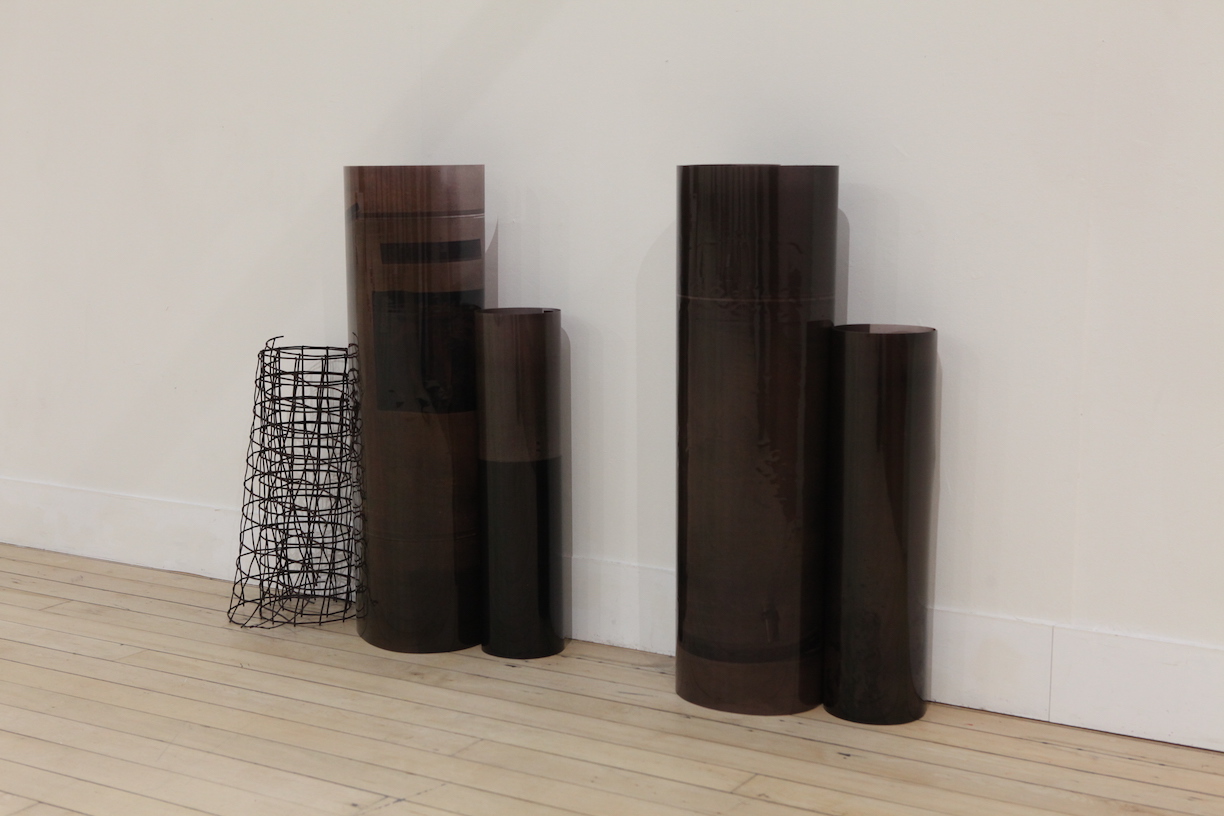
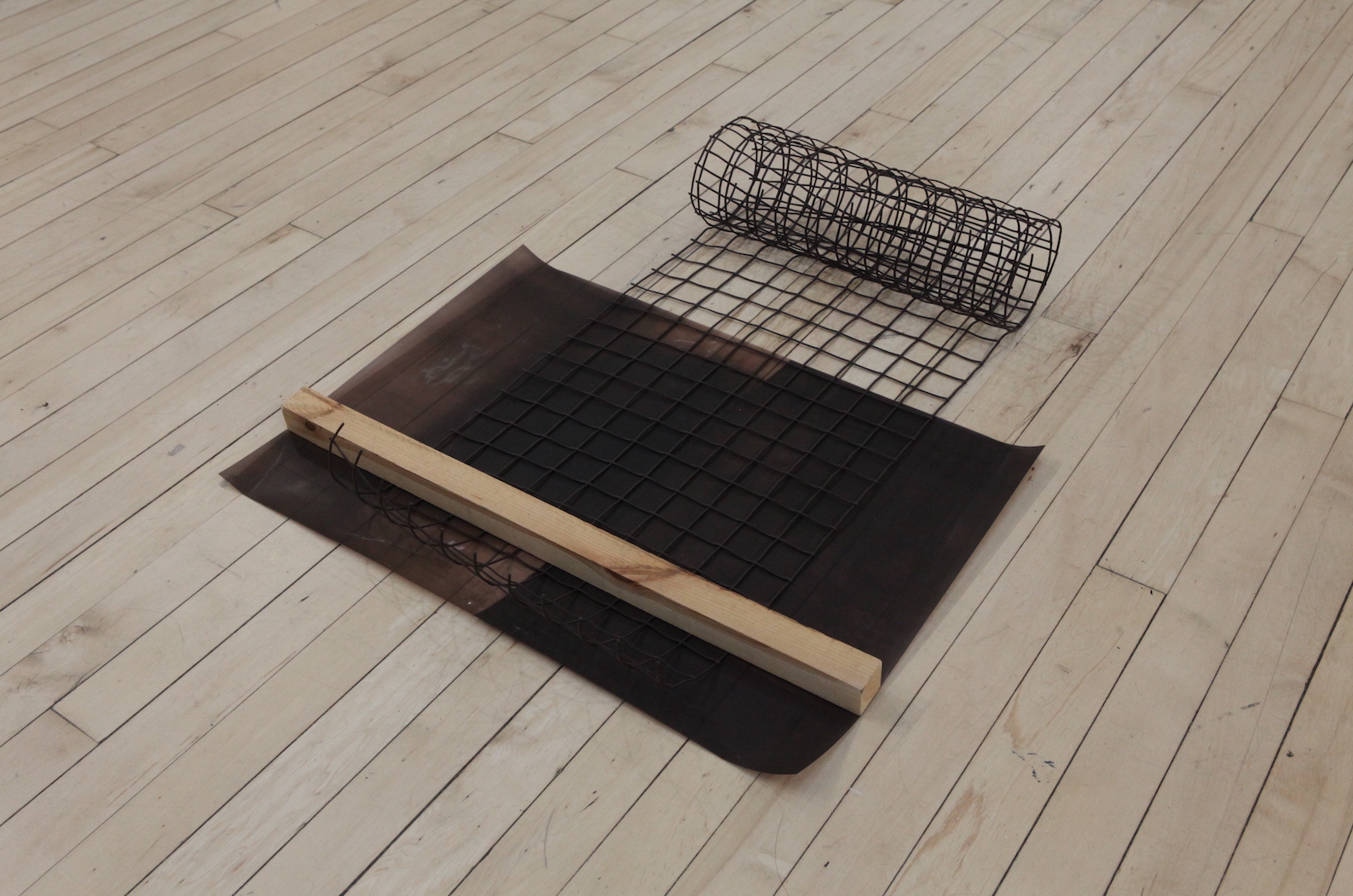
A sliver, a particle or scrap, broken off from something larger. Often sharp, a splinter of glass or wood, a foreign body lodged in the sole of the foot; hardly there but its presence felt through pressure.
Materials are stacked, coiled, packed away. Through their storage, their movement from one context to a potential next, provisional assemblages are made. But overnight, the corn starch packing peanuts are eaten; a sticky fly trap accumulates a layer of black dust; the snake-shaped blister pack multiples; a nest bulges from within a sheet of glass. These auxiliary materials (whose subsidiary function was to hold, seal or trap) start to misbehave.
A sliver, a particle or scrap, broken off from something larger. Often sharp, a splinter of glass or wood, a foreign body lodged in the sole of the foot; hardly there but its presence felt through pressure.
Materials are stacked, coiled, packed away. Through their storage, their movement from one context to a potential next, provisional assemblages are made. But overnight, the corn starch packing peanuts are eaten; a sticky fly trap accumulates a layer of black dust; the snake-shaped blister pack multiples; a nest bulges from within a sheet of glass. These auxiliary materials (whose subsidiary function was to hold, seal or trap) start to misbehave.
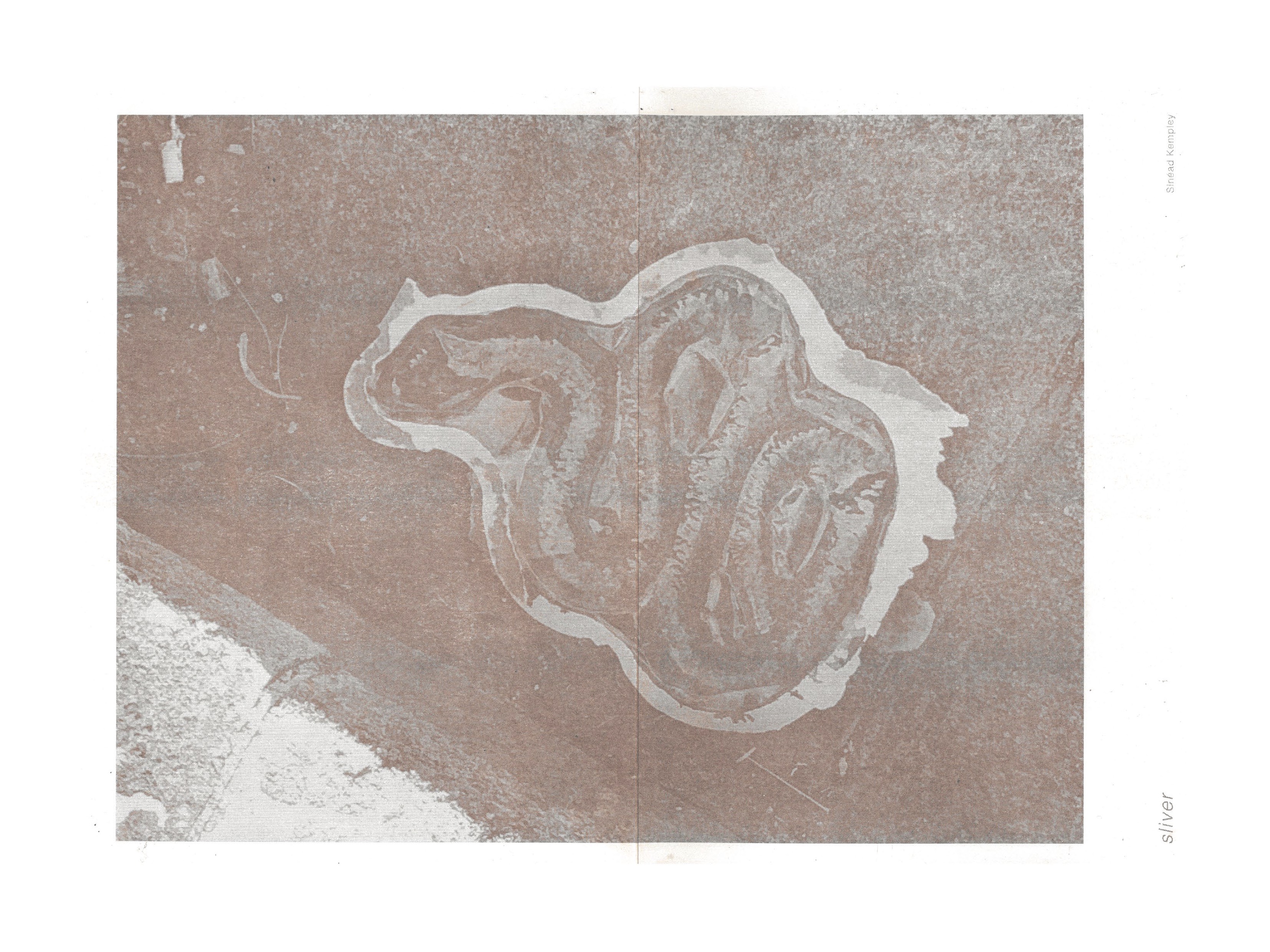
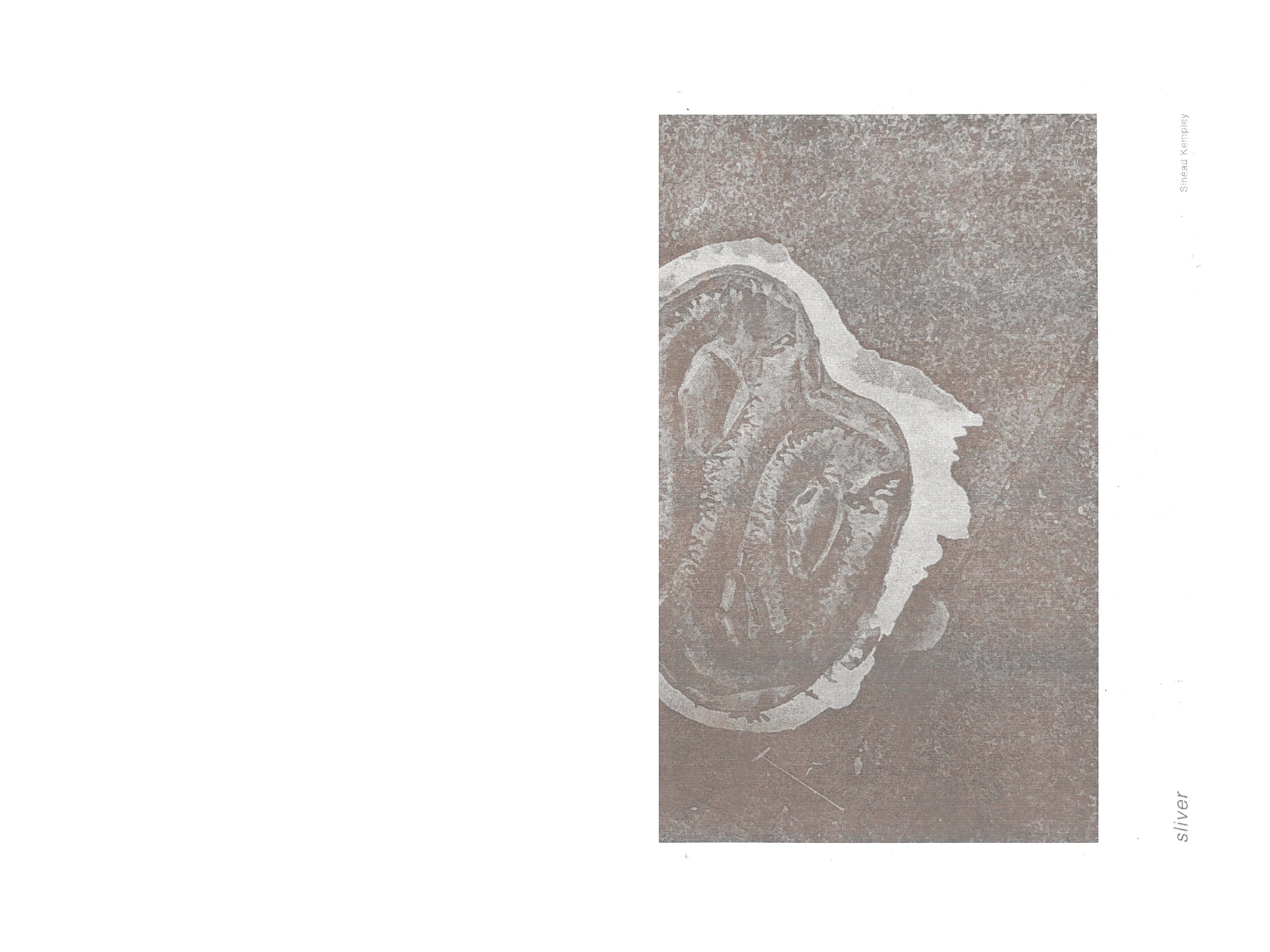
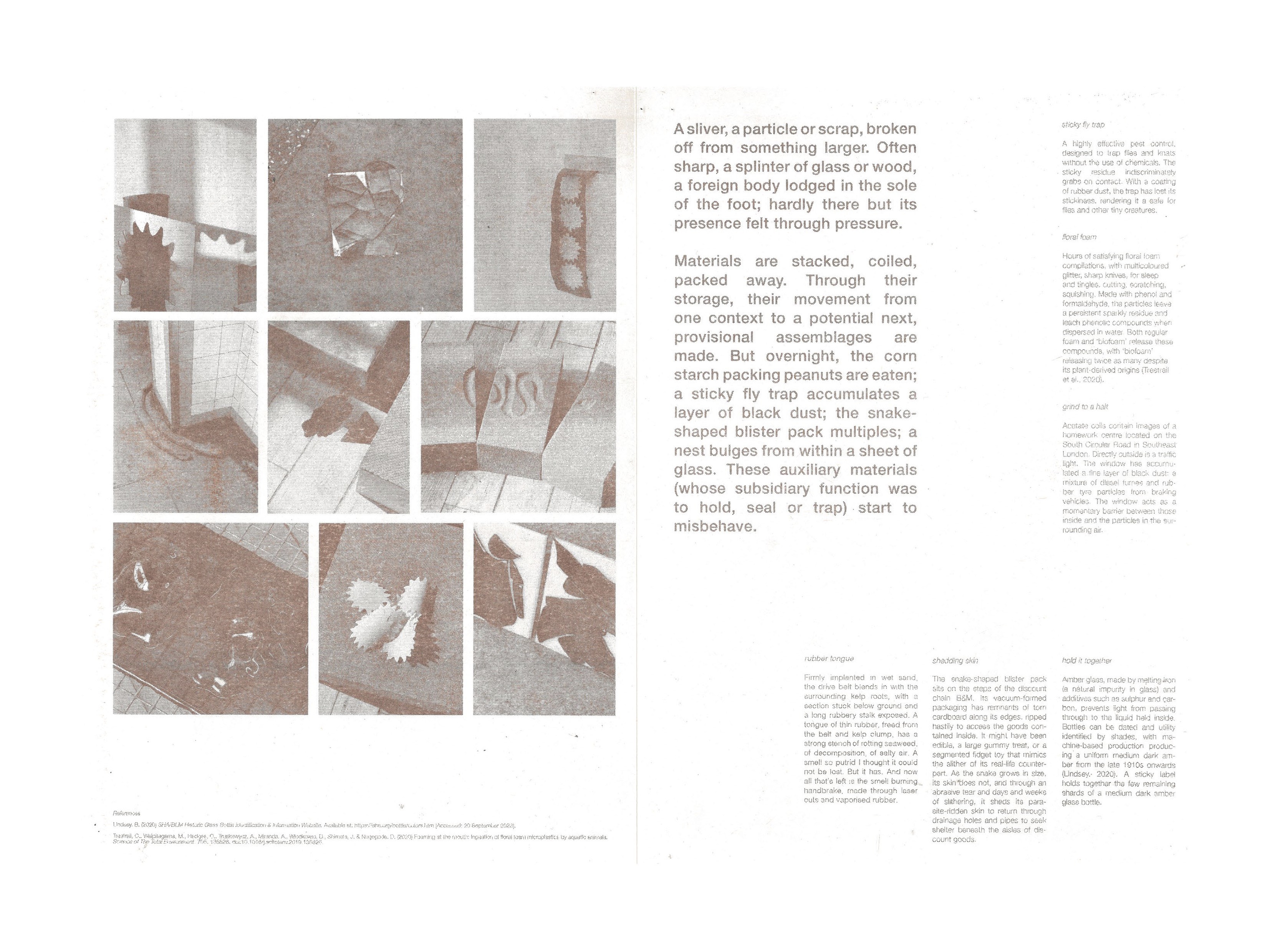
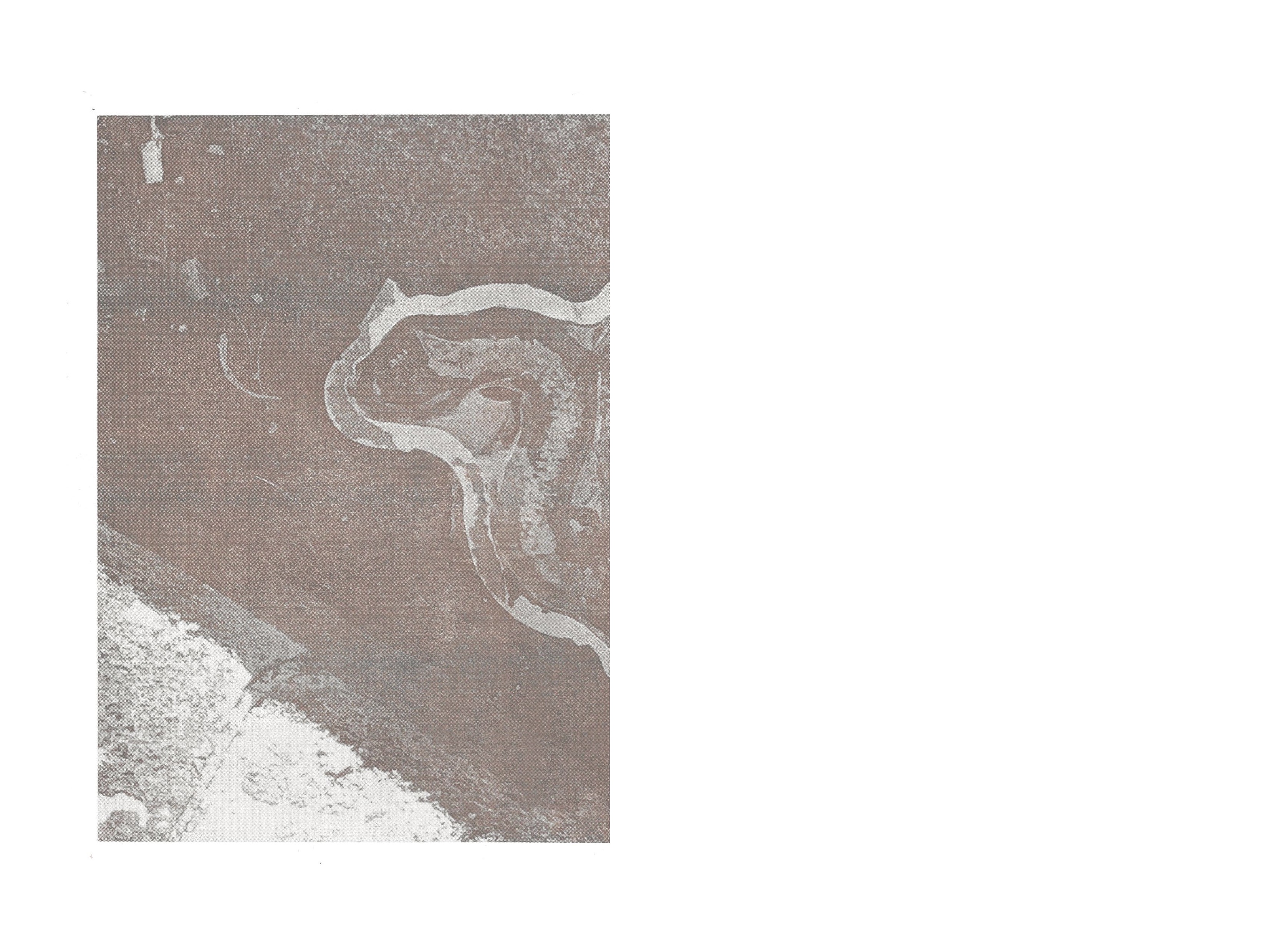
Exhibition text for sliver (2023). Risograph printed booklet and poster.
visually stunning, durable, non-slip, weather-resistant, UV-resistant, low maintenance (2023)
Elastic Continuum Exhibition and Symposium @ S1 Artspace, Sheffield
Arriving from the proposition of ‘skin’, An Elastic Continuum offers an interface with skinnings: surfaces, architectural structures, organisms, membranes and embalmings. The works on show present a plethora of intersectional readings that transect ontologies of animacy and the sensorial, biotechnical interventions (birth, growth, ailment, and death), human, animal and plant bodies, and spaces of trans-ition, whether -gender, - species or interior-exterior relations).
Included in the show were two of my recent works ‘grind to a halt’ and ‘visually stunning, durable, non-slip, weather-resistant, UV-resistant, low maintenance’ alongside work by Simon Carter, Grace Clifford, Craig Fisher, Helen Hamilton, Rebecca Howard, Victoria Sharples, Emily Speed, Rose Hedy Squires, Rachel Stanley, Lucy Vann, Henriette Von Muenchhausen & Nathan Walker.
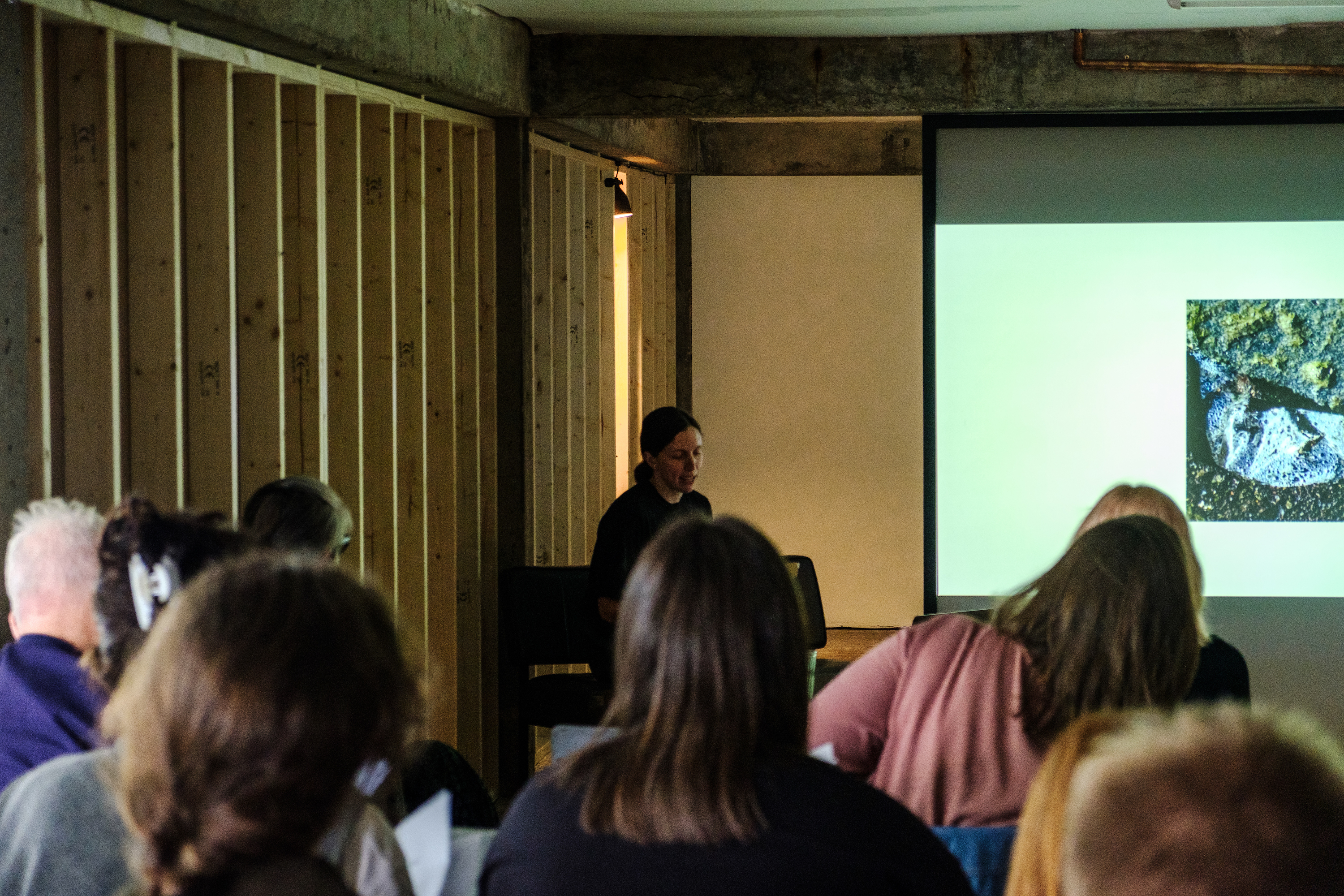
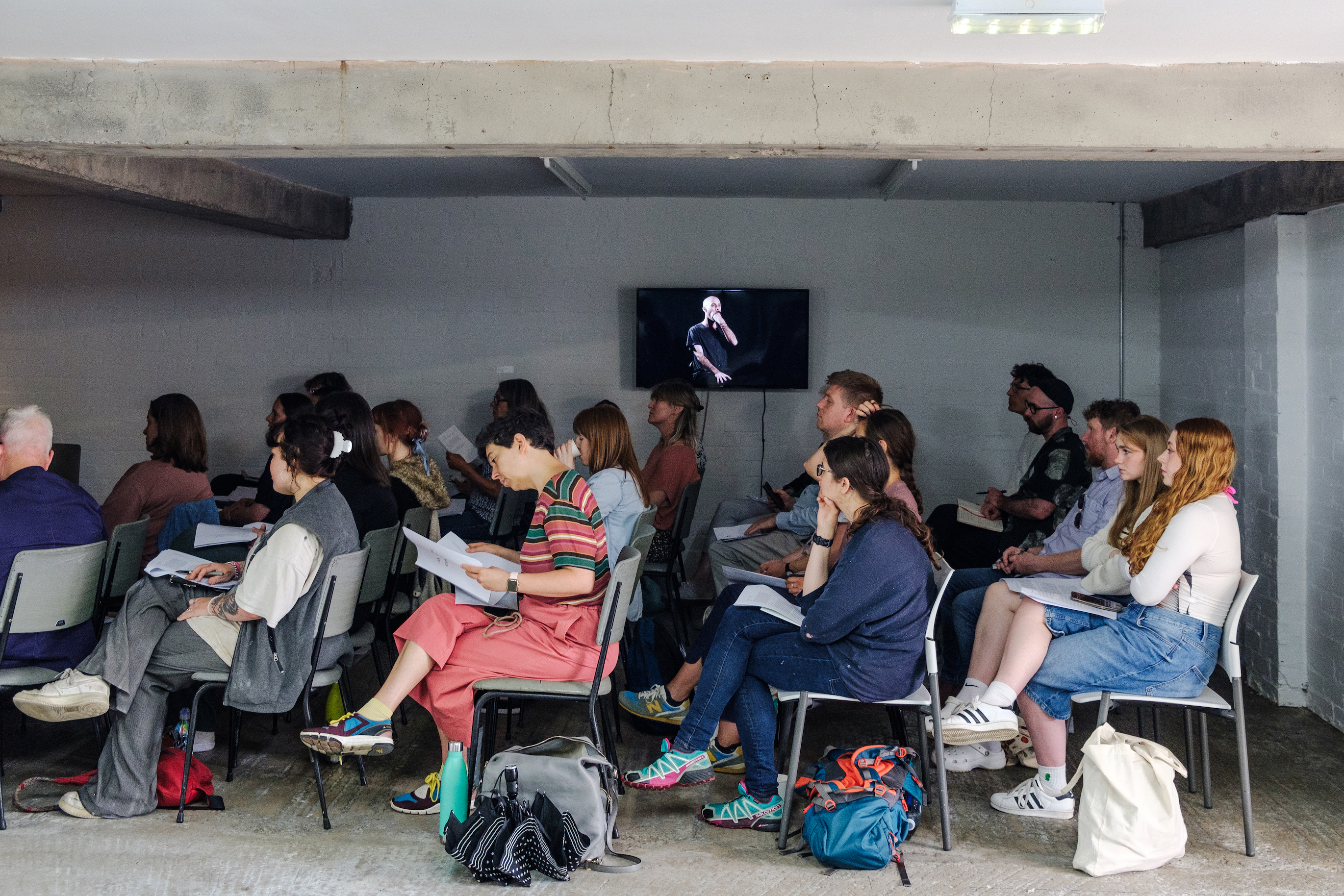
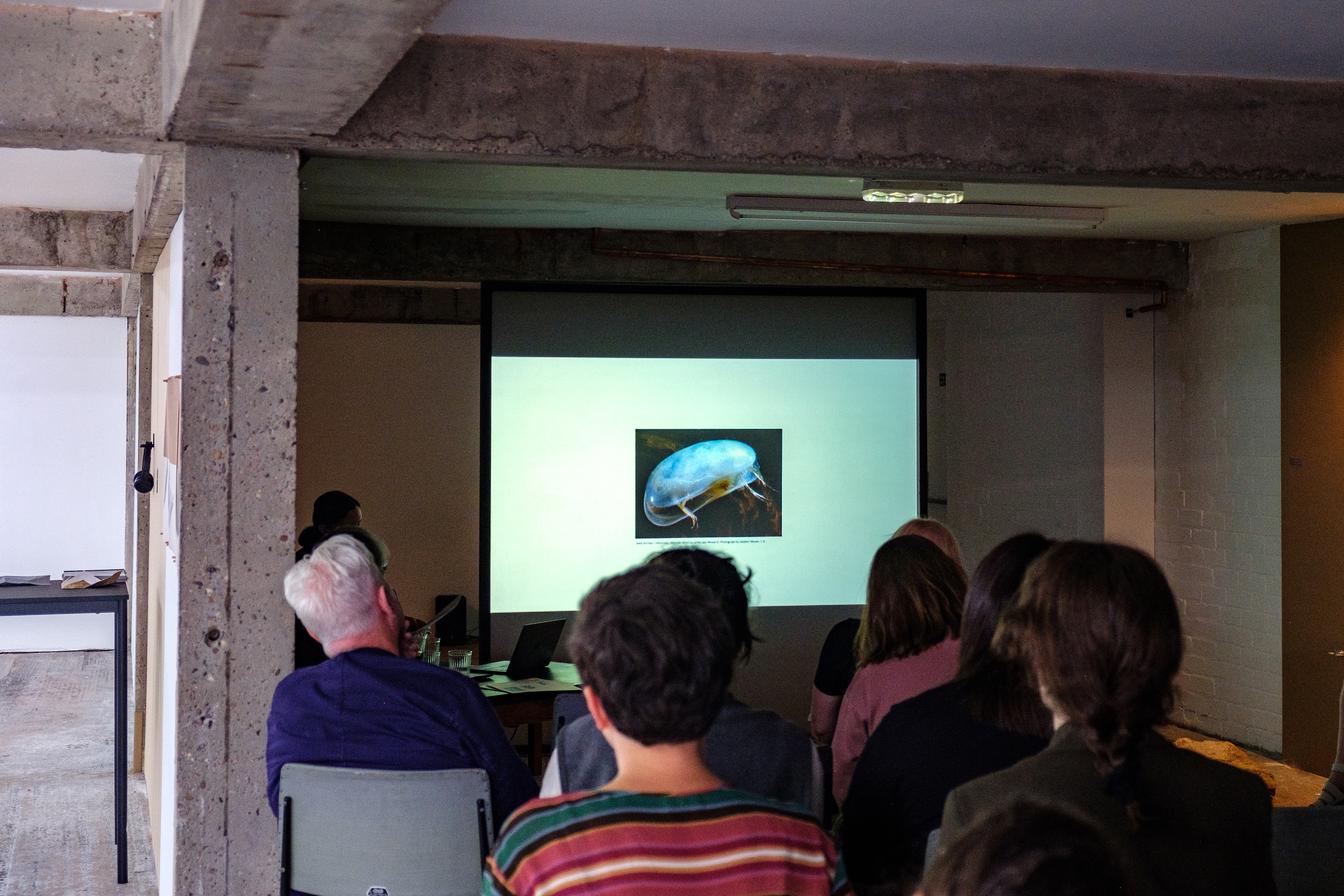
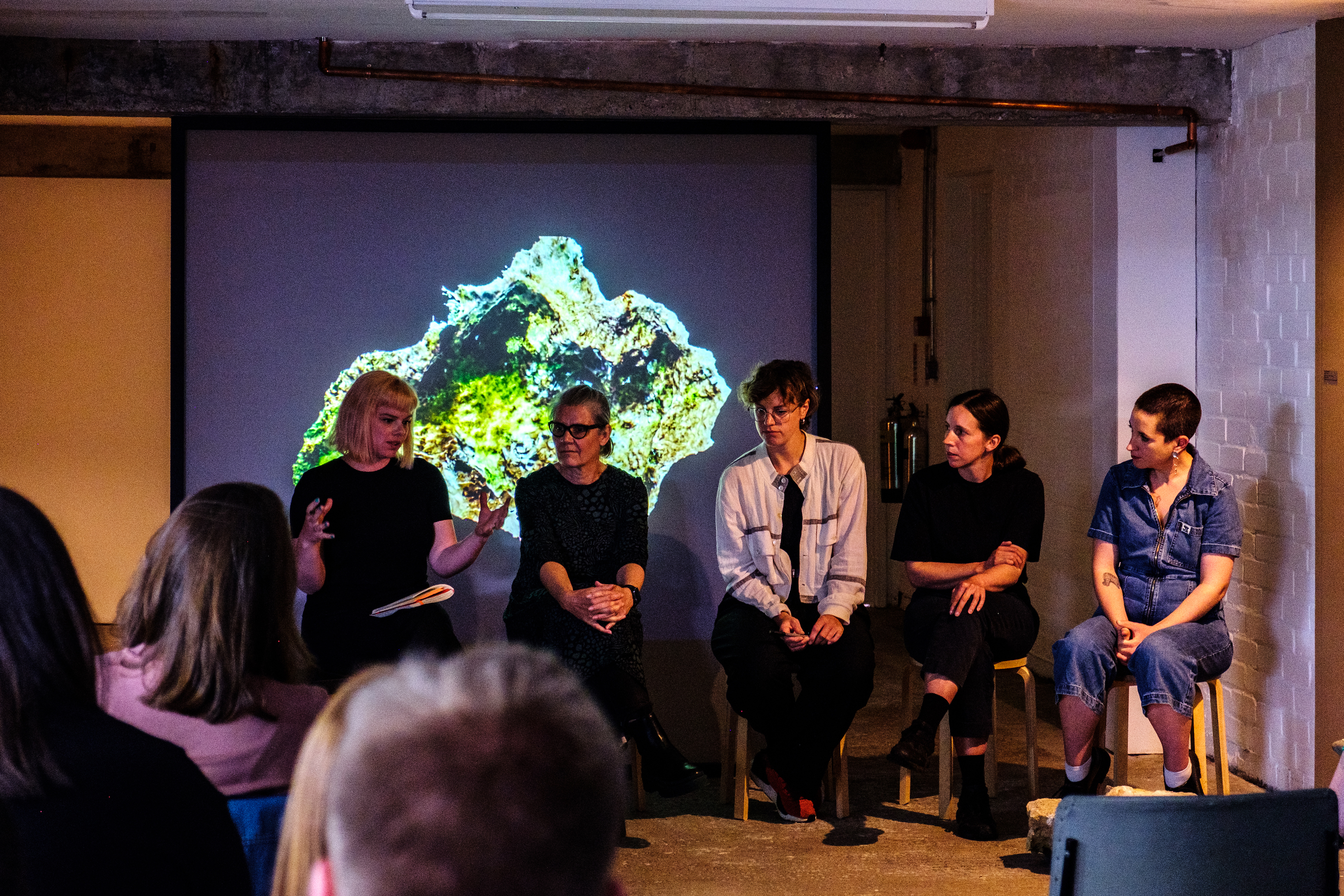
At the symposium, I presented my paper 'A build up of moisture' alongside Ellie Barratt, Bethan Hughes, Victoria Lucas and Stephanie Rushton.
Elastic Continuum Exhibition and Symposium @ S1 Artspace, Sheffield
Arriving from the proposition of ‘skin’, An Elastic Continuum offers an interface with skinnings: surfaces, architectural structures, organisms, membranes and embalmings. The works on show present a plethora of intersectional readings that transect ontologies of animacy and the sensorial, biotechnical interventions (birth, growth, ailment, and death), human, animal and plant bodies, and spaces of trans-ition, whether -gender, - species or interior-exterior relations).
Included in the show were two of my recent works ‘grind to a halt’ and ‘visually stunning, durable, non-slip, weather-resistant, UV-resistant, low maintenance’ alongside work by Simon Carter, Grace Clifford, Craig Fisher, Helen Hamilton, Rebecca Howard, Victoria Sharples, Emily Speed, Rose Hedy Squires, Rachel Stanley, Lucy Vann, Henriette Von Muenchhausen & Nathan Walker.
At the symposium, I presented my paper 'A build up of moisture' alongside Ellie Barratt, Bethan Hughes, Victoria Lucas and Stephanie Rushton.
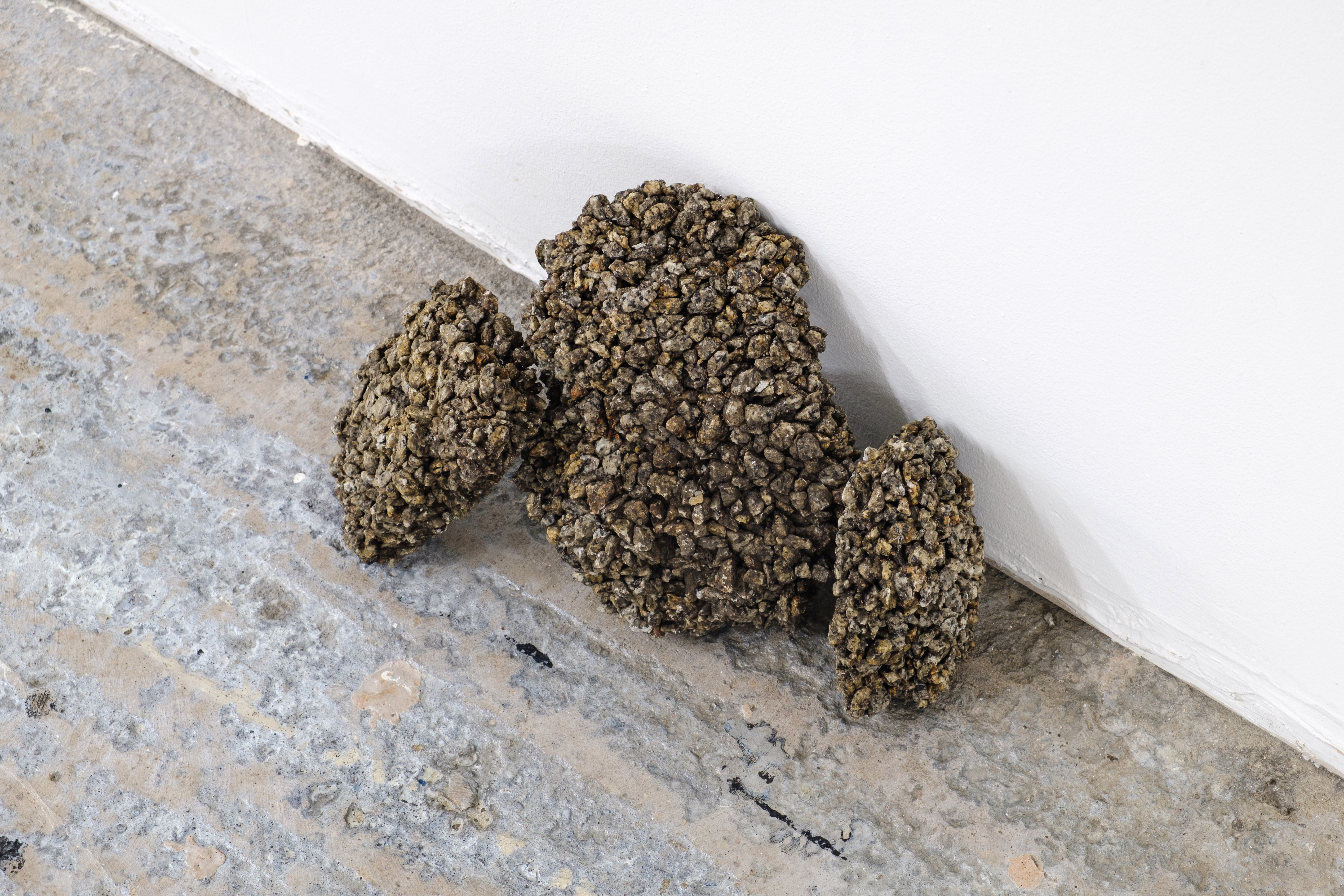
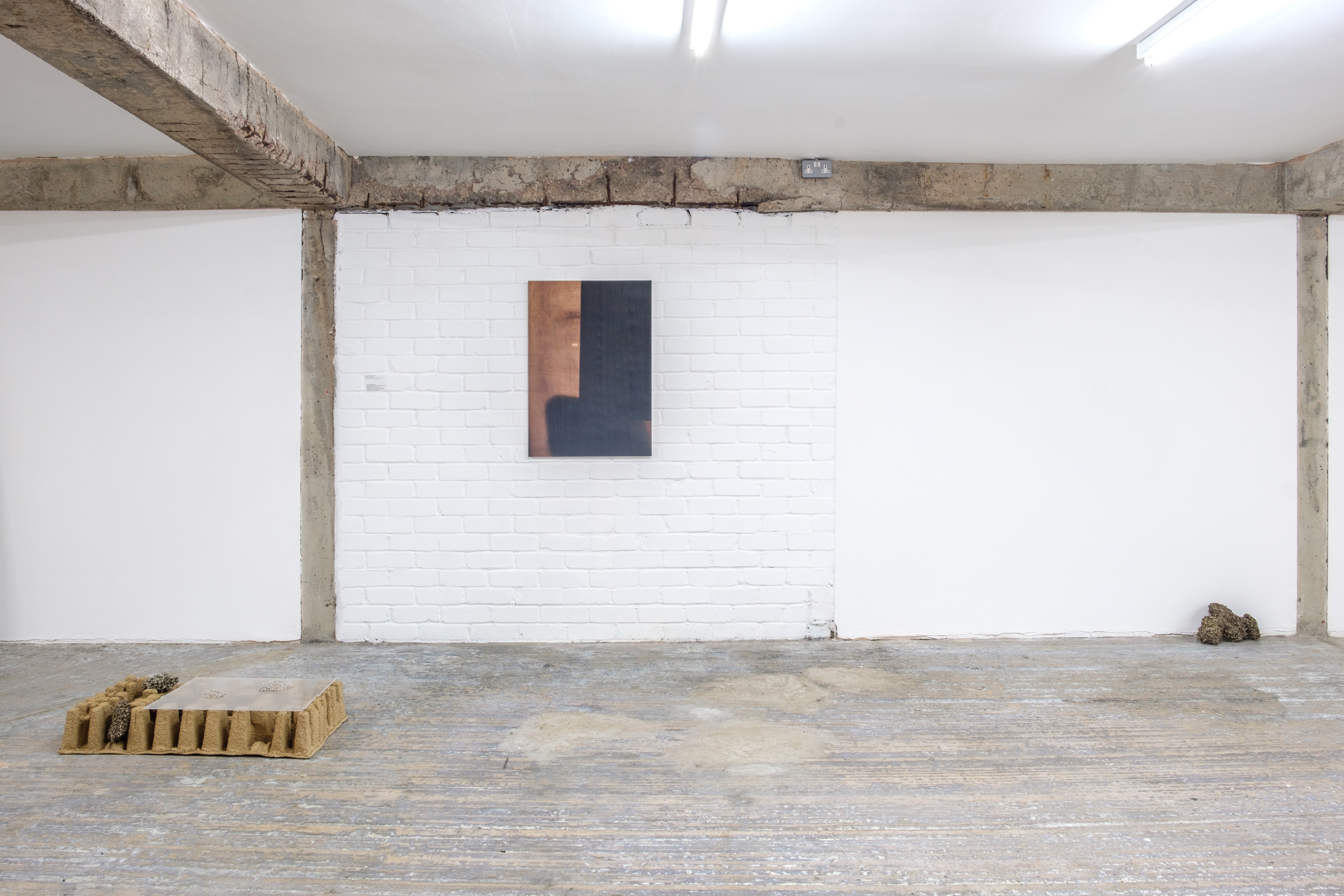
In ‘visually stunning, durable, non-slip, weather-resistant, UV-resistant, low maintenance’ a slumped glass sheet sits on a pulp-formed cardboard platform with chunks of resin-bonded aggregate slotted into the segmented gaps. This aggregate was collected over many months from a tree lined street, with each tree filled at its base to contain soil, manage wetness, supress weeds, to only permit solitary growth in an allotted square meter. As the roots shift under the earth, the resin-bonded skin bulges and splits, with chunks of aggregate spat out. Three reconfigured chunks balance against a wall to form a refuge, a shelter, a nest.
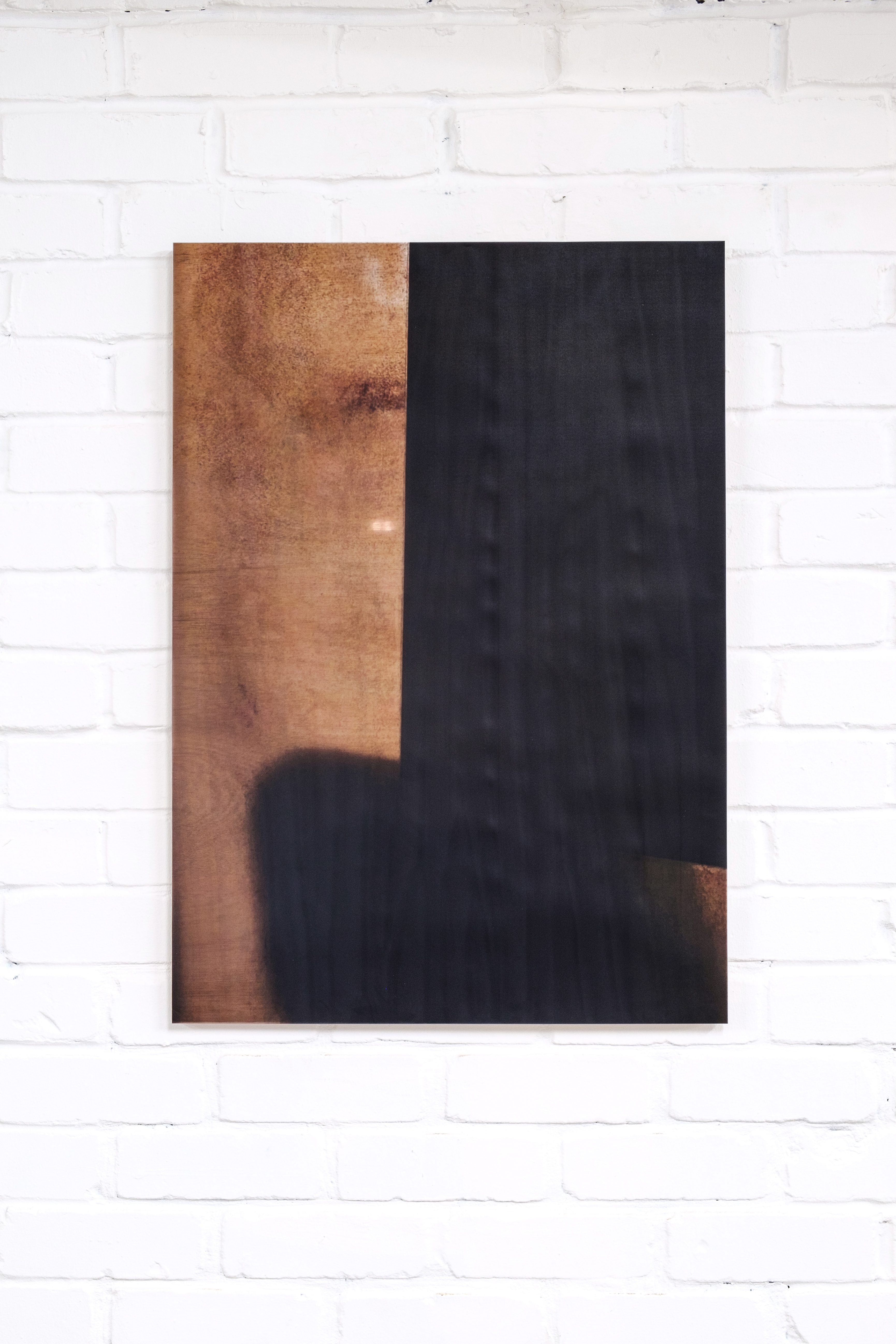
‘grind to a halt’ is photographic image printed on acetate (mounted on ply) of a window of a homework centre on the New Cross Road, Southeast London. A layer of black dust coats the window.
The exhibition and symposium was funded by University of Derby’s Early-Career Researcher Development Fund. The title is used with kind permission from presenting artist Bethan Hughes. Photography by photo.csv

no longer viable (2023)
Hideen Door Arts Festival
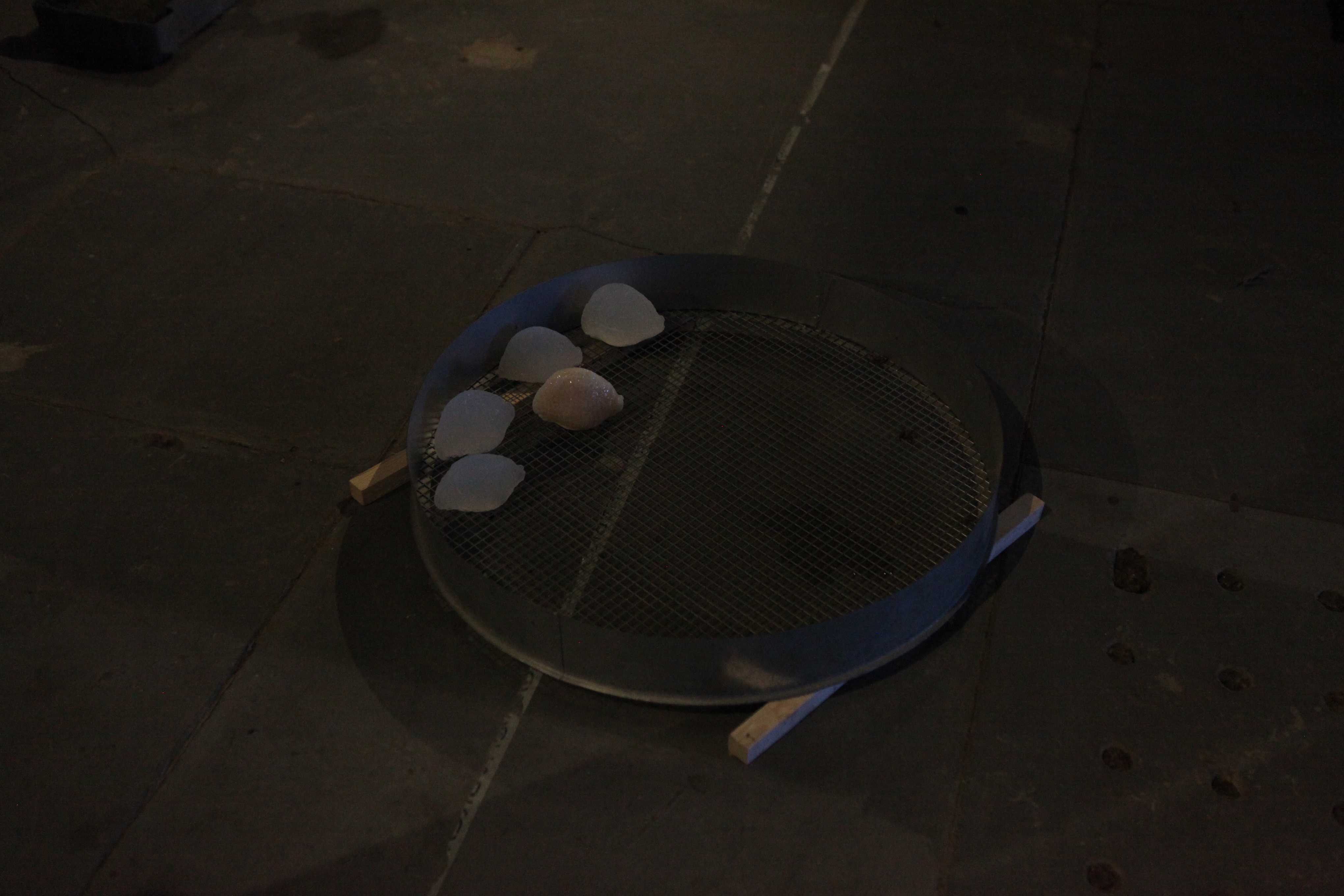
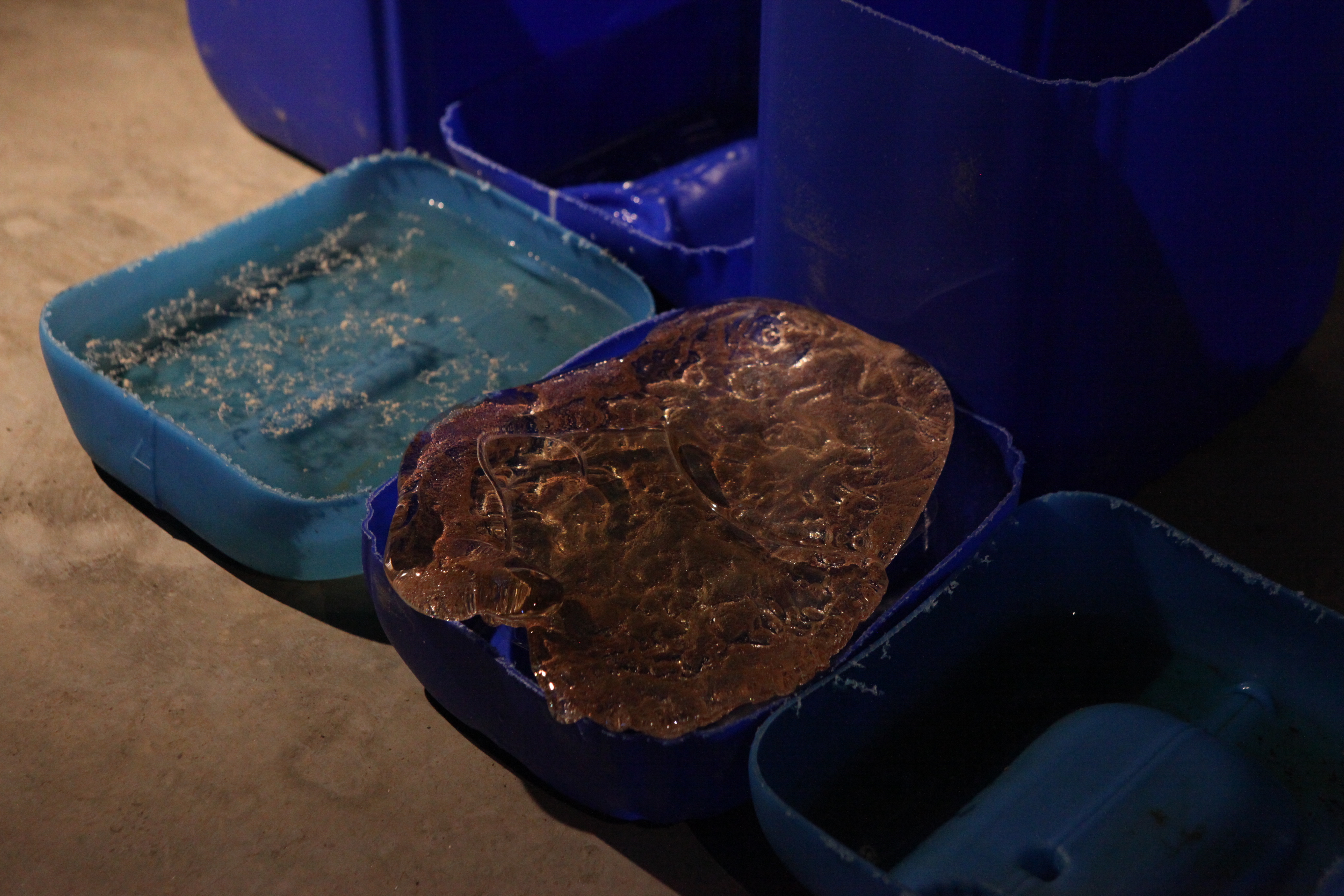
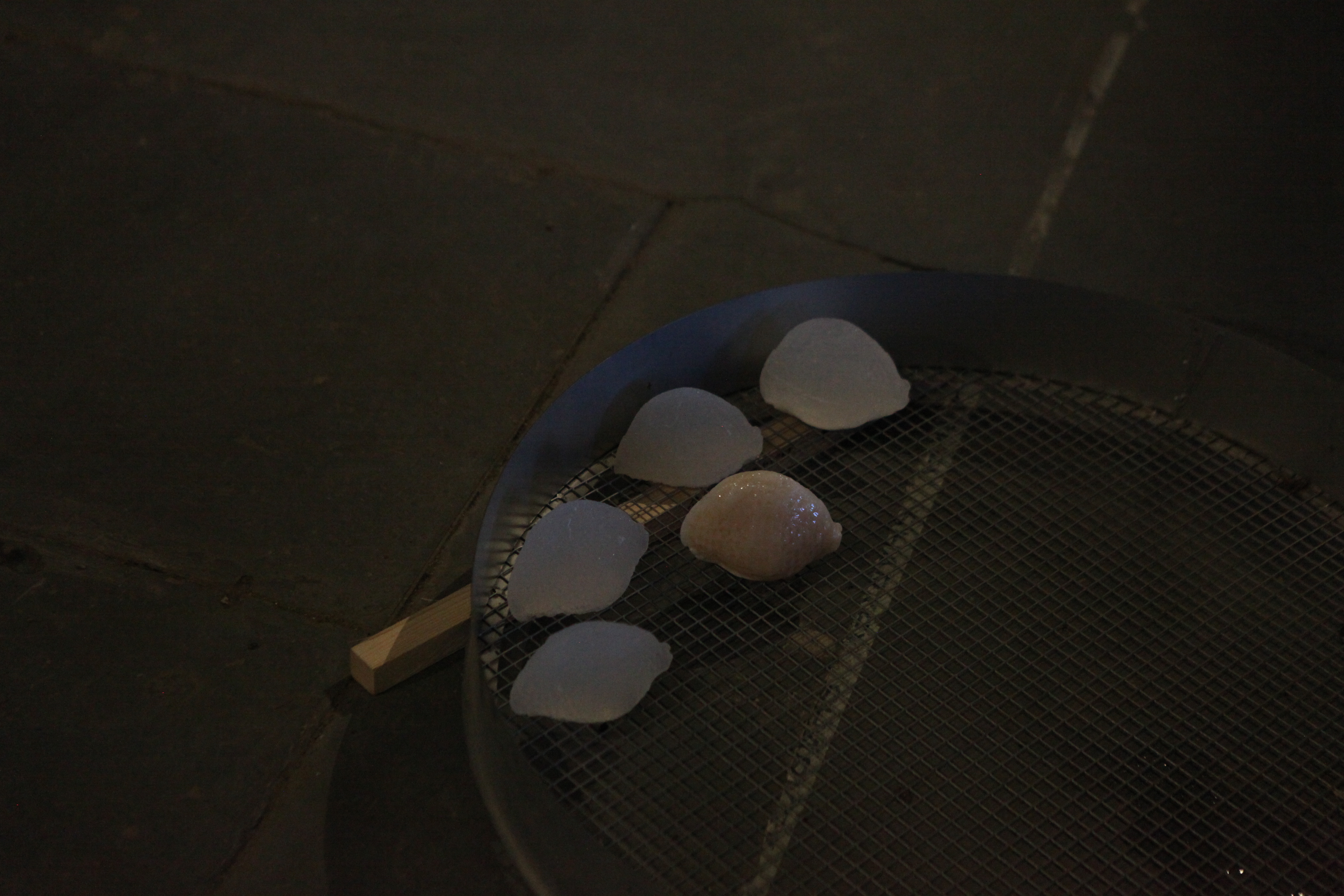
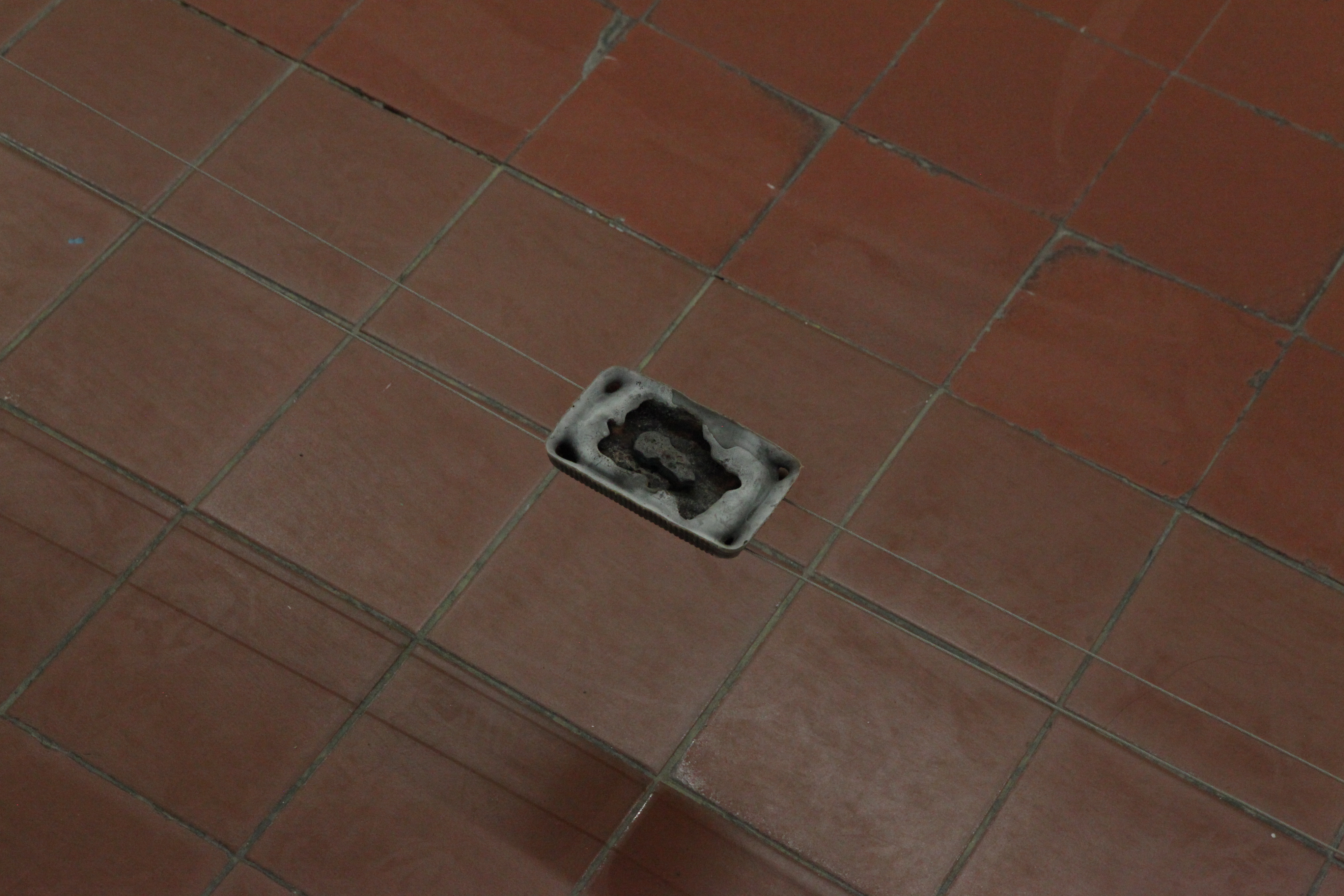
This site-specific installation was developed for Hidden Door Arts Festival in the sub-basement of the disused Scottish Widows building at 15 Dalkeith Road. The iconic hexagon-shaped building is said to mimic the surrounding geology in Edinburgh, however there is little evidence that the architects in the 1970s were influenced by this. Instead it seems that their main source of inspiration was the futuristic design of ‘BP-Haus’ in Hamburg where the shape of butane (reflecting their function as a petrochemical company) was used to inform the hexagonal building, carpet tiles, canteen trays, lighting, planters, and more. Scottish Widows life insurance and pensions company left the building in 2020 - it has the ‘lowest possible Environmental Performance rating’ and ‘fails many of the modern requirements for energy and office welfare’ - it is ‘no longer viable’.
Hideen Door Arts Festival
This site-specific installation was developed for Hidden Door Arts Festival in the sub-basement of the disused Scottish Widows building at 15 Dalkeith Road. The iconic hexagon-shaped building is said to mimic the surrounding geology in Edinburgh, however there is little evidence that the architects in the 1970s were influenced by this. Instead it seems that their main source of inspiration was the futuristic design of ‘BP-Haus’ in Hamburg where the shape of butane (reflecting their function as a petrochemical company) was used to inform the hexagonal building, carpet tiles, canteen trays, lighting, planters, and more. Scottish Widows life insurance and pensions company left the building in 2020 - it has the ‘lowest possible Environmental Performance rating’ and ‘fails many of the modern requirements for energy and office welfare’ - it is ‘no longer viable’.
I n the sub-basement of the complex, plastic containers have been customised to collect leaks from various obsolete tanks and pipes, creating pools of wetness. In the 1970s, when the site on Dalkeith Road was under construction, borehole samples were taken to assess ground conditions and soil composition (to determine the feasibility of the project). In a layer of thin green siltstone, ostracod (also known as seed shrimps) fossils were found. These tiny crustaceans, usually around 1mm in size, are abundant anywhere that is wet (from hot springs, within the water table, semi-terrestrial environments, fresh and marine waters including the deep sea, small temporary ponds and more) and date back to 485 to 443 million years ago. Some living species have been used as pollution bioindicators as they are highly sensitive to environmental changes. In the Scottish Widows office complex, these digitally enlarged soap-cast substitutes have soaked in the moisture from the cold, damp sub-basement and sweat to form puddles under the duct-covering-turned-sieve below.
risk averse (2022)
12.23
SITUATED(?)
Sculpture Court, Edinburgh College of Art
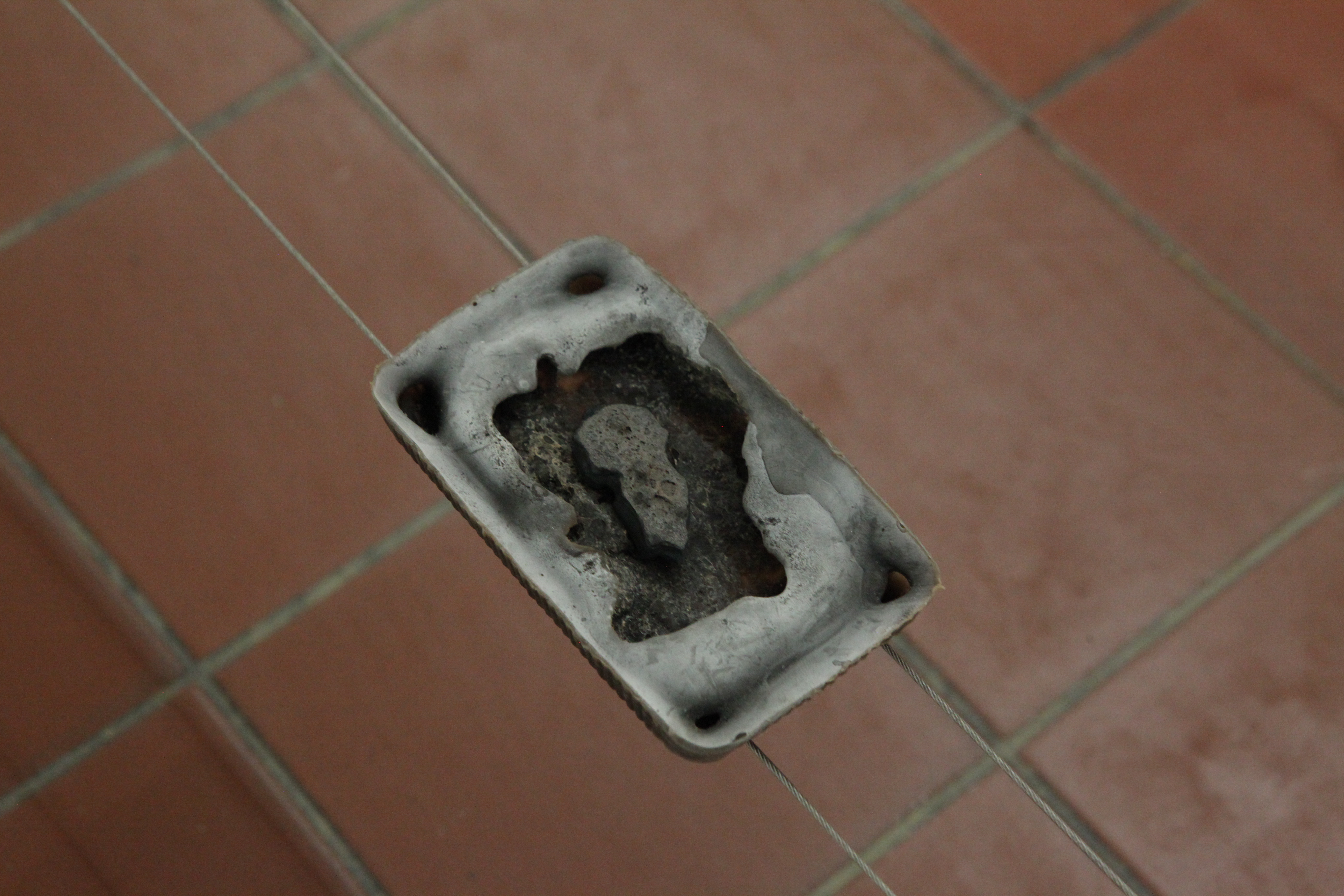
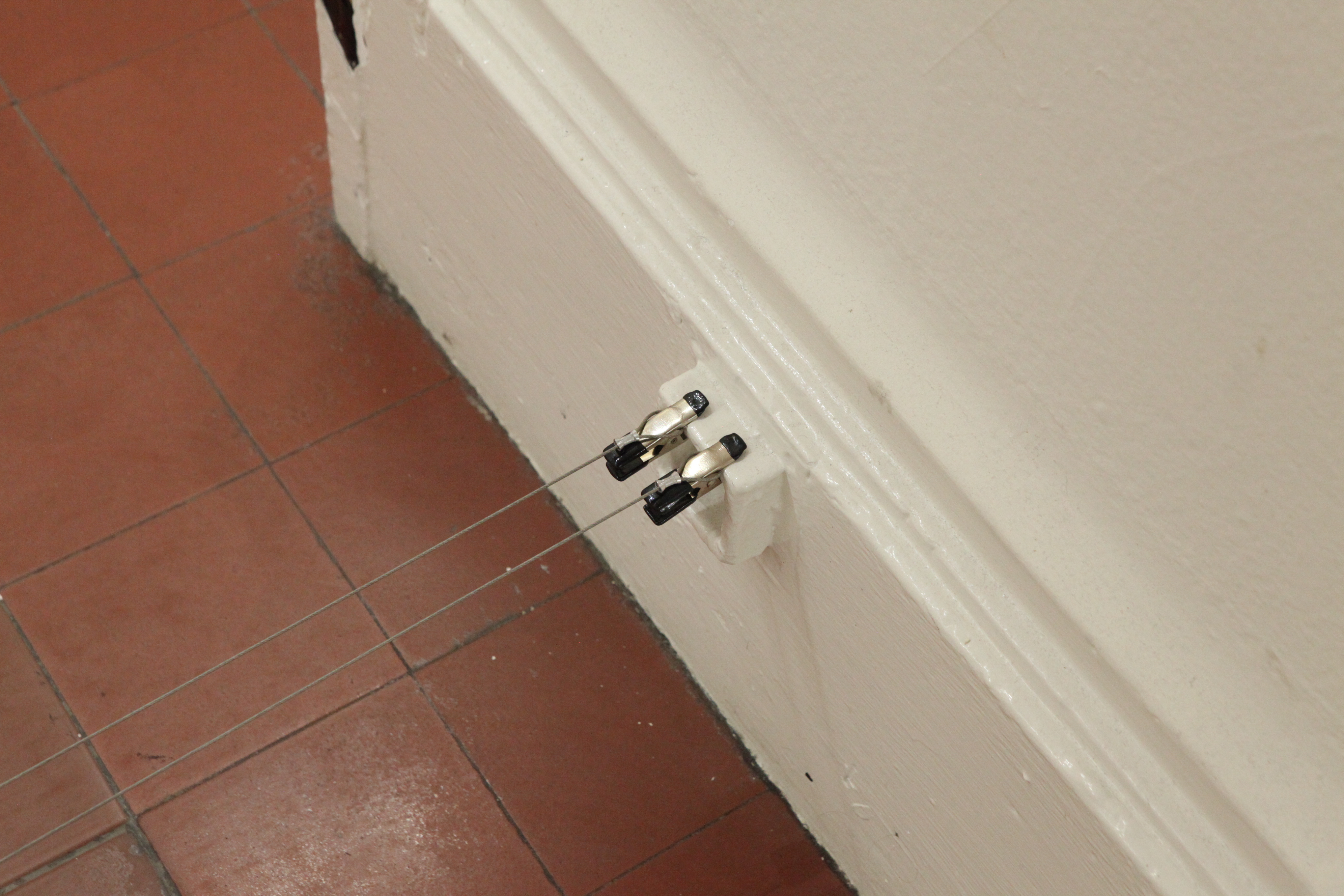
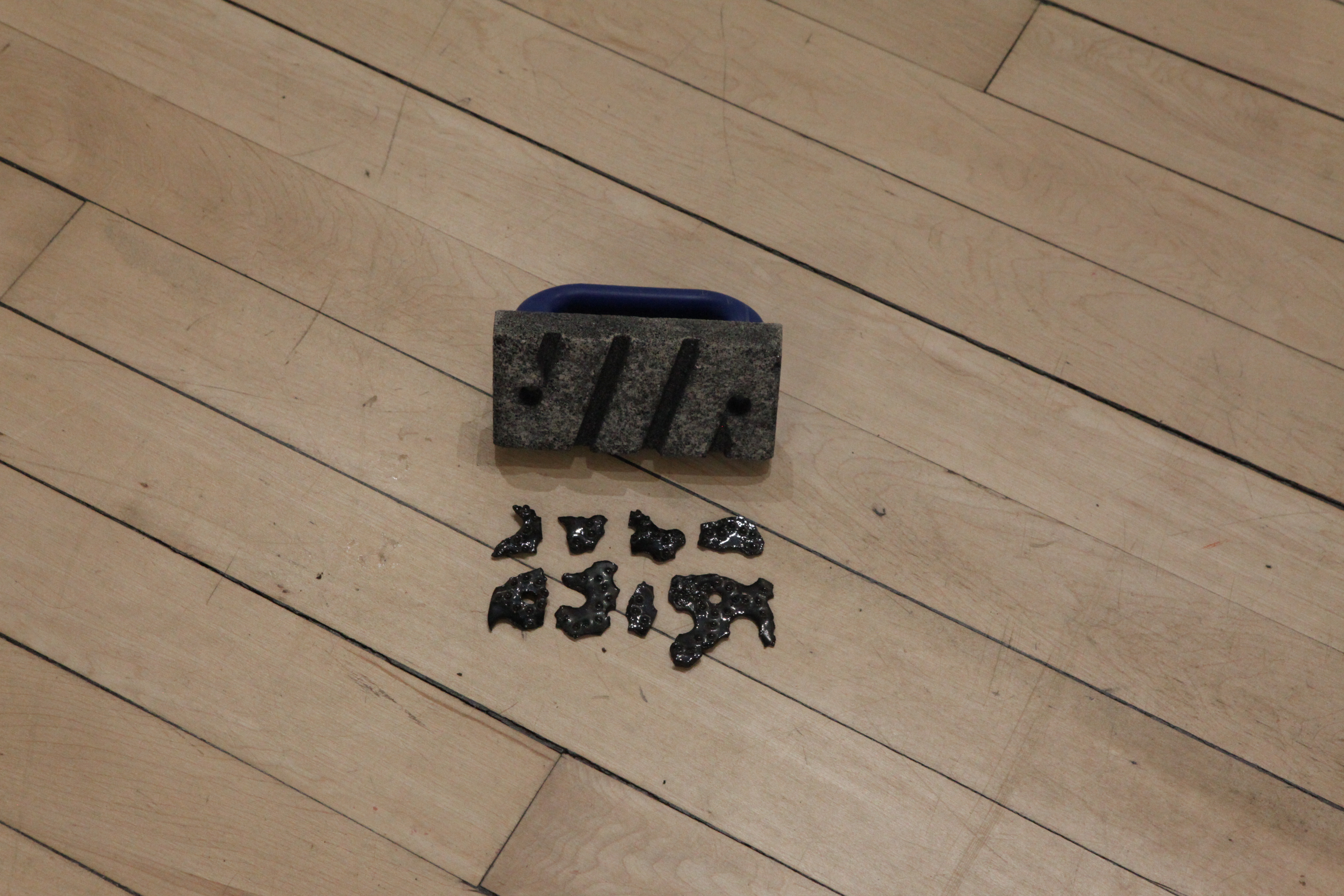
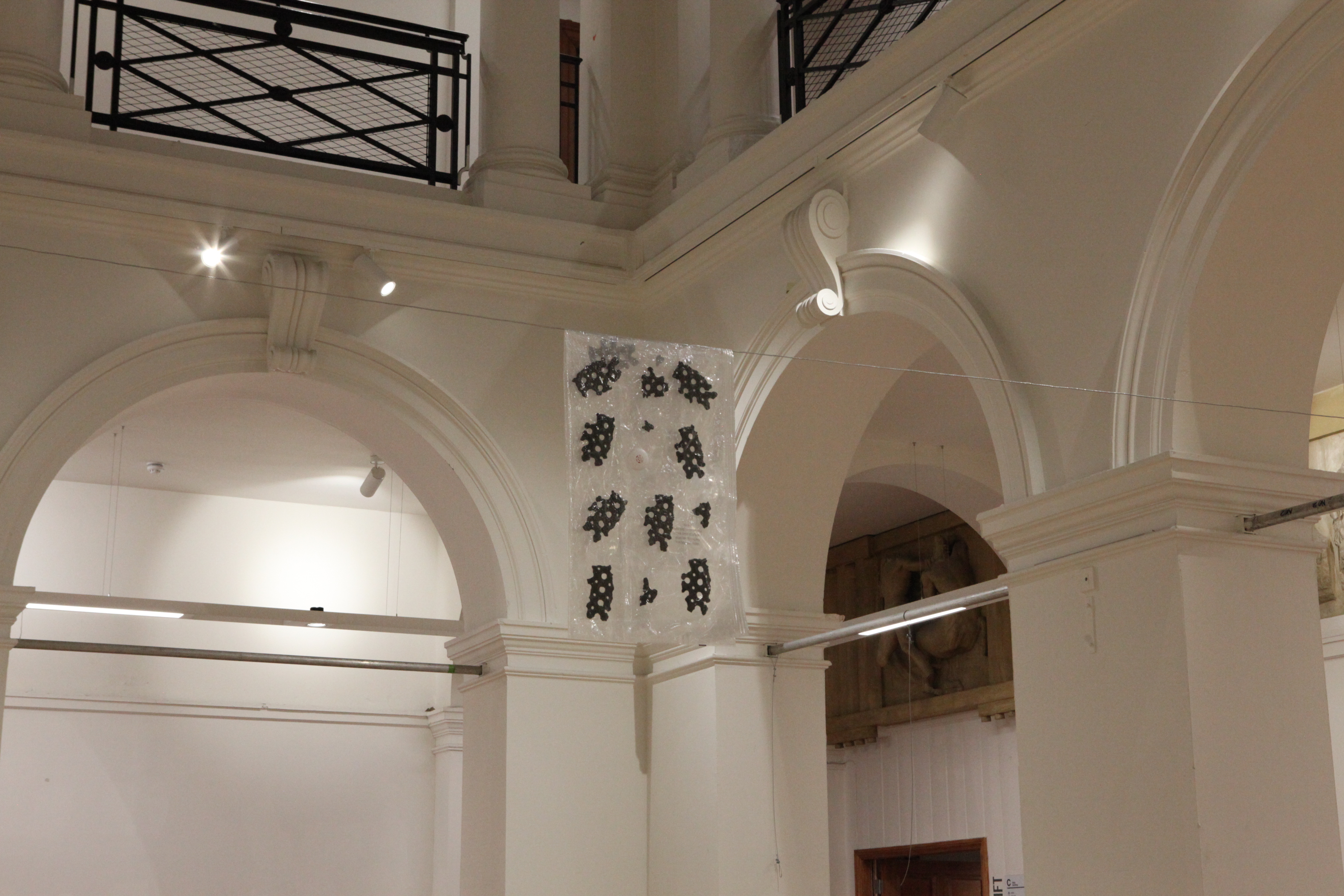
Ceramic slip-cast rubber doormat waste fragment, concrete grinding block, vacuum storage bag. Rubber with heat sensitive pigment, section of ceramic slip-cast rubber doormat waste fragment, stainless steel hanging wire, spring clamps. Ocean-worn concrete & aggregate, acid mine drainage with hydrous ferric oxide deposit, plastic cleaning caddy, stainless steel hanging wire, ceramic slip-cast rubber doormat waste fragment.
12.23
SITUATED(?)
Sculpture Court, Edinburgh College of Art
Ceramic slip-cast rubber doormat waste fragment, concrete grinding block, vacuum storage bag. Rubber with heat sensitive pigment, section of ceramic slip-cast rubber doormat waste fragment, stainless steel hanging wire, spring clamps. Ocean-worn concrete & aggregate, acid mine drainage with hydrous ferric oxide deposit, plastic cleaning caddy, stainless steel hanging wire, ceramic slip-cast rubber doormat waste fragment.


temporary sediment storage (2022)
Edinburgh College of Art MA Contemporary Art Practice Graduate Show
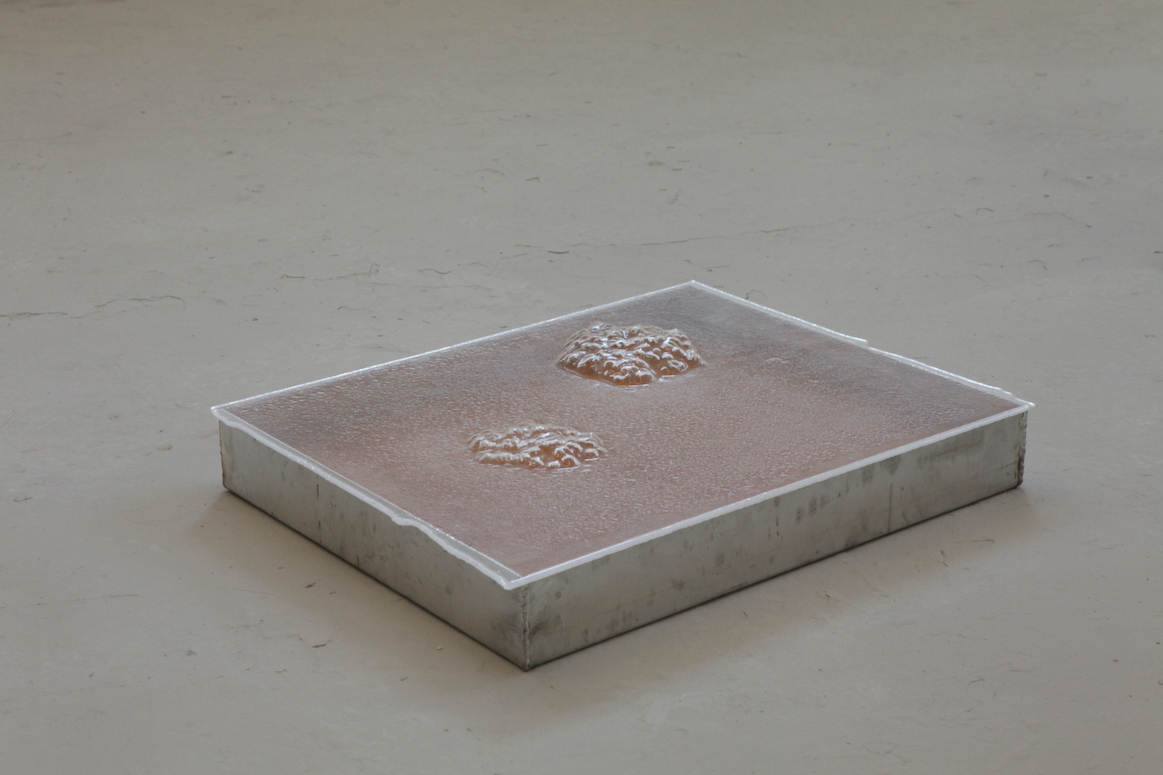
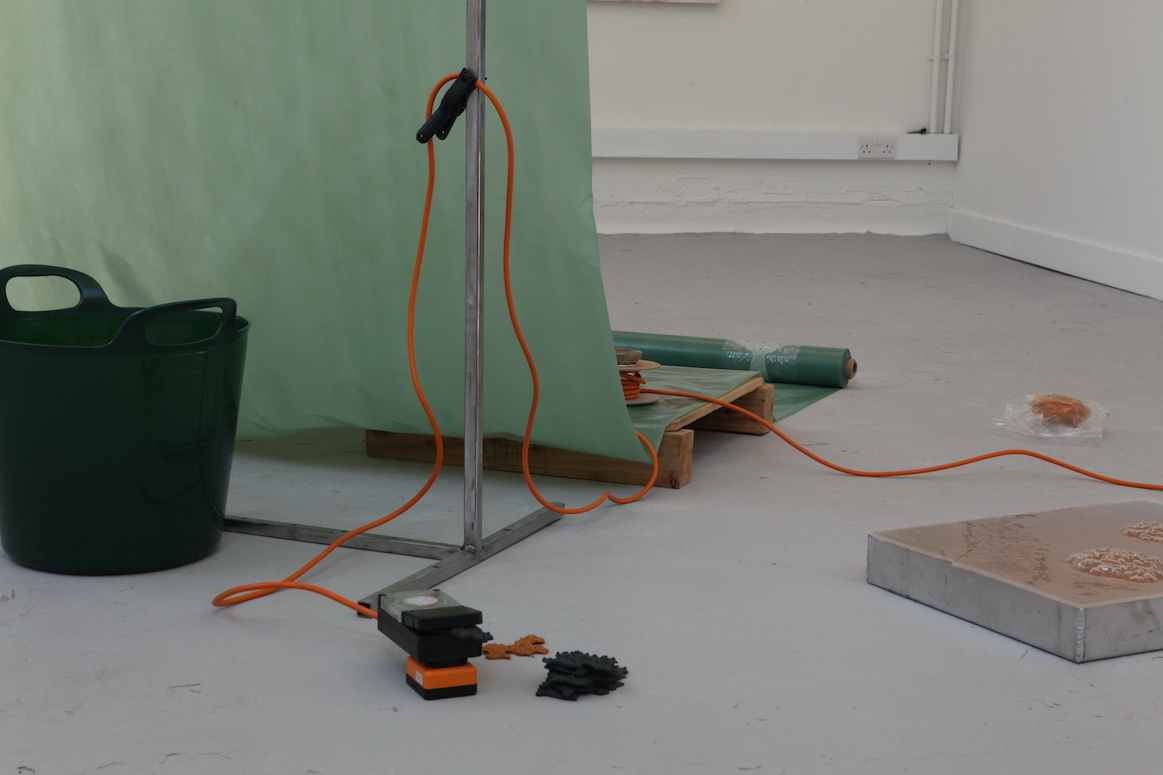
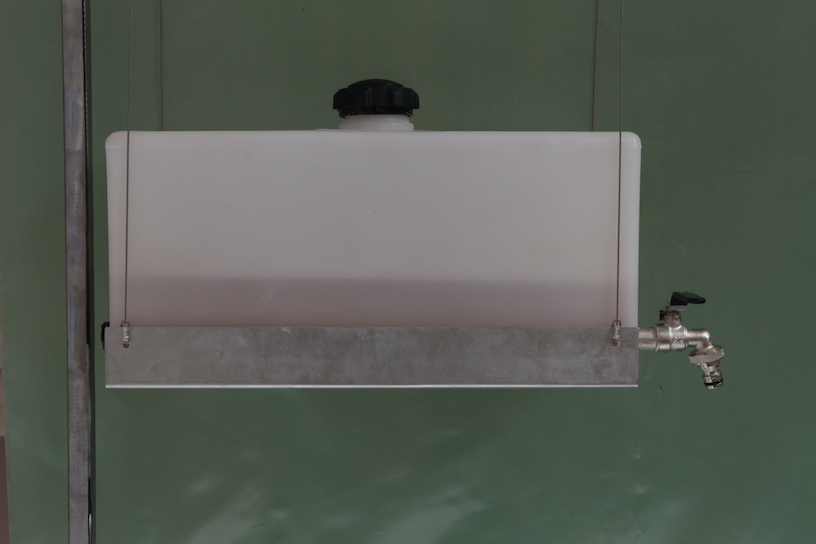
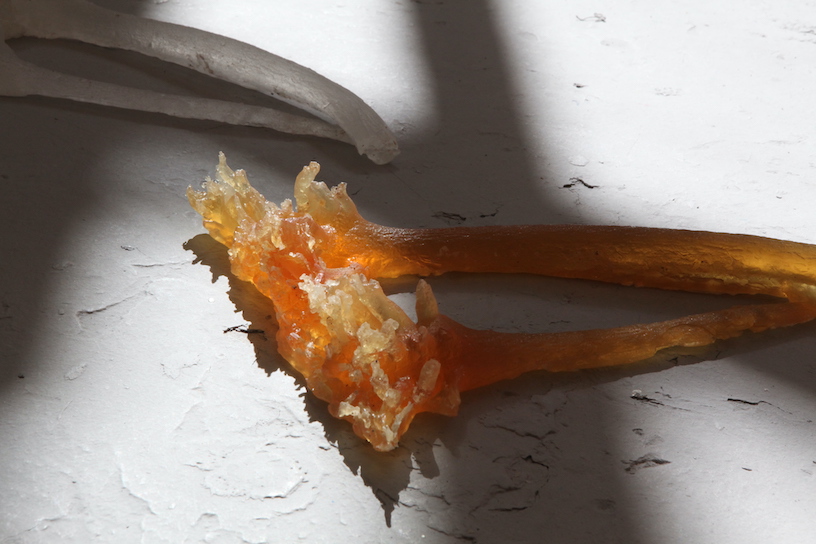
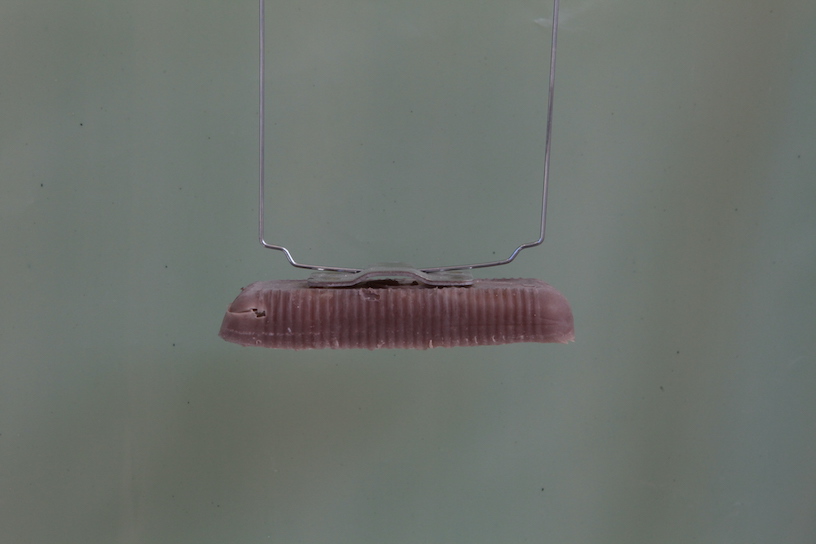
The murky ochre liquid that spills through temporary sediment storage (in a plastic tank which will inevitably leak, melting in cubes, condensing on slumped glass) is collected from the drainage of a disused coal mine that runs onto a Northumberland beach through to the ocean. As the tide changes each day, pools of the ochre sediment merge with salty currents in ever varying dilutions and configurations, sedimenting on any organic or waste material it finds on the way. Although the toxic levels of metals in ochres themselves pose a risk to aquatic life, this sediment can also act as a remediation material for other contaminants such as Selenium, which is at particularly high levels in Northumberland coal. A semi-metal trace element that is usually hard to separate from the sulphides or organic matter it is fixed with, Selenium is used in e-tech for solar cells and in nanotechnology for anti-inflammation and anti-infection treatments.
In this acidic stream, it becomes unusually fluid until it is bound with the fine-powdered ochre sediment. A toxic element of historic extraction becomes commodity and another potential cycle of extraction begins.
Edinburgh College of Art MA Contemporary Art Practice Graduate Show
The murky ochre liquid that spills through temporary sediment storage (in a plastic tank which will inevitably leak, melting in cubes, condensing on slumped glass) is collected from the drainage of a disused coal mine that runs onto a Northumberland beach through to the ocean. As the tide changes each day, pools of the ochre sediment merge with salty currents in ever varying dilutions and configurations, sedimenting on any organic or waste material it finds on the way. Although the toxic levels of metals in ochres themselves pose a risk to aquatic life, this sediment can also act as a remediation material for other contaminants such as Selenium, which is at particularly high levels in Northumberland coal. A semi-metal trace element that is usually hard to separate from the sulphides or organic matter it is fixed with, Selenium is used in e-tech for solar cells and in nanotechnology for anti-inflammation and anti-infection treatments.
In this acidic stream, it becomes unusually fluid until it is bound with the fine-powdered ochre sediment. A toxic element of historic extraction becomes commodity and another potential cycle of extraction begins.
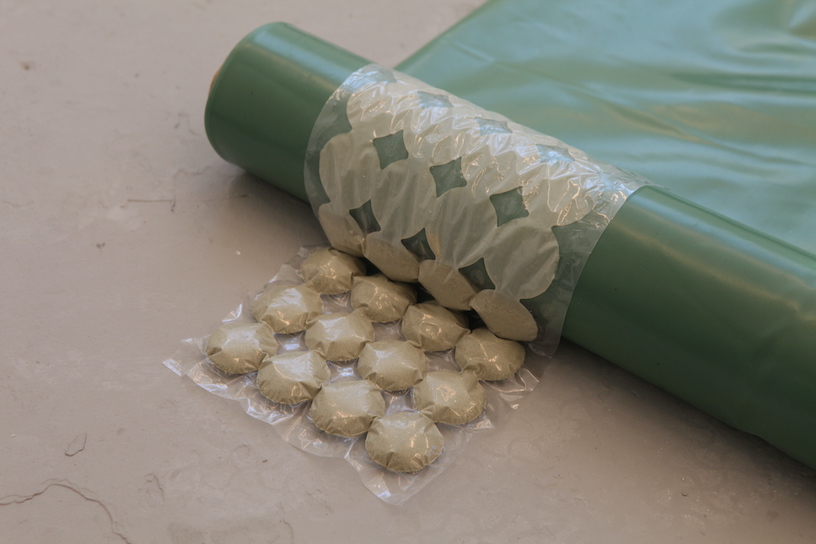
12l water tank, acid mine drainage with hydrous ferric oxide deposit collected from disused coal mine, Spittal beach, Northumberland, flexi tub, sand cast glass from 3d scan of tube worm fossil, lamp shape wire, rubber cast with heat-sensitive pigment, surplus green vapour barrier, brushed steel stand, black clamps, green marine sediment fertiliser in ice cube freezer bag, waste rubber fragment with hydrous ferric oxide deposit, aluminium folded box, agar bioplastic, soap-cast fused kelp roots, frozen acid mine drainage in ice cube freezer bag, orange extention lead, pebbledash rocks (spat out from pebbledash filled base of trees, Grassmarket, Edinburgh), cardboard and aluminium spool, glazed ceramic bowl, waste beach plastic, hydrous ferric oxide deposit, slumped glass sheet, aluminium box, liquid collected from sand dune swamp, humidifier. Cardboard packaging, vacuum storage bags, ceramic slip-cast rubber doormat waste fragment, lampshade wire.


a potential trap (2022)
SALT LICK w/ Rachel Stanley and Hannah Cash @ Whitespace Gallery, Edinburgh
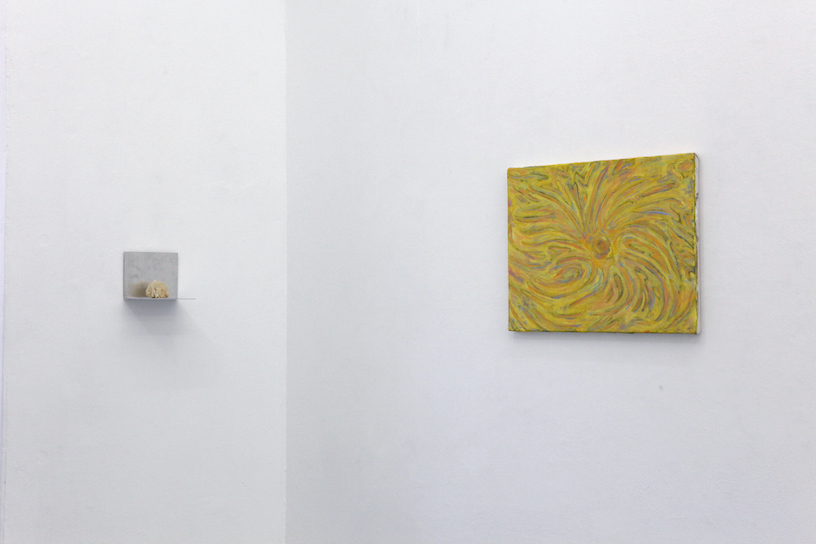
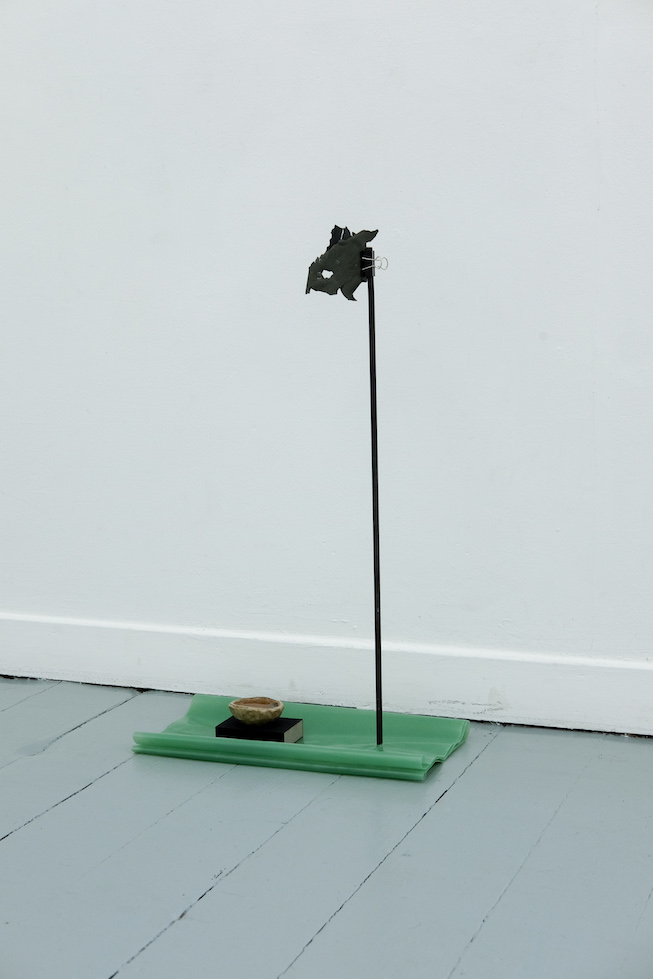
Shelving system, 12l water tank, push-fit plastic pipes and connectors, acid mine drainage with hydrous ferric oxide deposit (a potential selenium trap) collected from disused coal mine, Spittal beach, Northumberland, surplus green vapour barrier, aluminium folded box, agar bioplastic, soap cast of fused kelp roots, green marine sediment fertiliser in ice cube freezer bag, pebbledash rocks (spat out from pebbledash filled base of trees, Grassmarket, Edinburgh), slumped glass sheet, green marine sediment fertiliser, sanding block, glazed ceramic bowl, waste beach plastic, hydrous ferric oxide deposit, steel rod, bulldog clip, folded aluminium, whelk egg case, melted dental wax, flexi tub, sand cast glass, acid mine drainage with hydrous ferric oxide deposit.
SALT LICK w/ Rachel Stanley and Hannah Cash @ Whitespace Gallery, Edinburgh
Shelving system, 12l water tank, push-fit plastic pipes and connectors, acid mine drainage with hydrous ferric oxide deposit (a potential selenium trap) collected from disused coal mine, Spittal beach, Northumberland, surplus green vapour barrier, aluminium folded box, agar bioplastic, soap cast of fused kelp roots, green marine sediment fertiliser in ice cube freezer bag, pebbledash rocks (spat out from pebbledash filled base of trees, Grassmarket, Edinburgh), slumped glass sheet, green marine sediment fertiliser, sanding block, glazed ceramic bowl, waste beach plastic, hydrous ferric oxide deposit, steel rod, bulldog clip, folded aluminium, whelk egg case, melted dental wax, flexi tub, sand cast glass, acid mine drainage with hydrous ferric oxide deposit.
some form of collapse (2019)
Three-channel video installation.
Three-channel video installation.
I